
Orders from adults aged 20 and over.
Flat ฿60. Bangkok orders arrive next day.
Not for human or veterinary use.
Updated 9 November 2026
What is 5-Amino-1MQ?
Short answer: 5-Amino-1MQ is a small synthetic molecule that blocks an enzyme called nicotinamide N-methyltransferase (NNMT). It is not a peptide, even though it is often sold alongside peptides. Research on it is preclinical, mostly in mice. It is not a registered medicine in Thailand.
The full chemical name is 5-amino-1-methylquinolinium. It belongs to a family of quinolinium compounds that a team at the University of Texas Medical Branch designed and screened as NNMT inhibitors in the mid-2010s. Its small size and charged ring structure were chosen so it could cross cell membranes and reach the enzyme inside cells, something many earlier inhibitors struggled with.
The distinction from peptides matters. A peptide is a chain of amino acids; 5-Amino-1MQ is a single ring-based compound with a molecular weight a small fraction of even a short peptide. It is supplied as a dry powder in a vial and, like the peptides in our range, is reconstituted in the lab with bacteriostatic water.
Metabolism
Why researchers are interested in NNMT
NNMT is an enzyme that attaches a methyl group to nicotinamide, a form of vitamin B3. It is especially active in the liver and in adipose tissue. That simple reaction touches two important systems at once: it uses up methyl donors, and it diverts nicotinamide away from being recycled into NAD+, the coenzyme cells depend on for energy metabolism.
A 2014 study in Nature drew attention to the enzyme. Researchers reported that NNMT levels were raised in adipose tissue of obese and diabetic mice, and that reducing NNMT with an antisense approach protected mice from diet-induced obesity. The adipose cells of those animals used more energy, and their NAD+ and methylation markers shifted. That made NNMT a target, and small molecules such as 5-Amino-1MQ were developed to test whether blocking the enzyme chemically produced similar results.
Metabolism
What has 5-Amino-1MQ been studied for?
The published work on 5-Amino-1MQ itself comes largely from one research group and is preclinical. The main findings:
- Adipocyte studies. In cultured adipocytes, the methylquinolinium inhibitors raised intracellular NAD+ levels and suppressed lipogenesis, the building of new lipid, according to the 2018 Biochemical Pharmacology paper that characterised it.
- Diet-induced obesity in mice. The same paper reported that obese mice on a lipid-rich diet given a potent compound from the series lost body weight and white adipose mass and had lower cholesterol than controls, without a change in food intake.
- Aged muscle. A 2019 study reported that NNMT inhibition activated muscle stem cells in aged mice and improved muscle regeneration after experimental injury.
The honest summary: these are cell and mouse results from a small number of papers. No peer-reviewed human trial of 5-Amino-1MQ has been published, and nothing is known from controlled studies about its behaviour or tolerability in people. Mouse metabolism differs from human metabolism in ways that matter here.
Metabolism
Is 5-Amino-1MQ legal in Thailand, and in sport?
5-Amino-1MQ is not registered with the Thai FDA as a medicine and is not approved as a medicine anywhere in the world. First Amino sells it only as research material to adults aged 20 and over who accept our research-use terms and disclaimer. This is general information, not legal advice.
WADA's list does not name 5-Amino-1MQ. However, the S0 class of the prohibited list covers any pharmacological substance with no current approval for human therapeutic use by any health authority, and it applies at all times. An unapproved experimental compound like this one sits squarely in that territory, so athletes should regard it as off limits and check with their anti-doping organisation.
Metabolism
5-Amino-1MQ, MOTS-c and NAD+ compared
5-Amino-1MQ is often discussed with other compounds researched around cellular energy. The comparison below shows how differently they are built.
| 5-Amino-1MQ | MOTS-c | NAD+ | |
|---|---|---|---|
| Type of molecule | Small synthetic molecule (quinolinium) | 16-amino-acid peptide | Natural coenzyme |
| Research idea | Block NNMT to keep nicotinamide in the NAD+ salvage route | Mitochondrial signal acting through AMPK | Supply the coenzyme itself |
| Evidence level | Cell and mouse studies | Mostly mouse; human levels measured | Many small human studies of precursors |
| WADA | Not named; S0 likely applies | Prohibited (S4) | Not prohibited |
| First Amino | 50mg + BAC Water, from ฿3,099 | 40mg and Pair (40mg x2), from ฿3,690 | 500mg and 1000mg, from ฿2,590 |
See also our MOTS-c guide.
Metabolism
How 5-Amino-1MQ is supplied and stored
First Amino supplies 5-Amino-1MQ as a dry powder in a sealed, labelled glass vial, 50mg + BAC Water, intended for reconstitution with bacteriostatic water. Small molecules are usually more robust than peptides, but the same careful handling applies.
- Keep sealed vials refrigerated at 2 to 8 °C and away from light.
- Bring a cold vial to room temperature before opening, so condensation does not reach the powder.
- Once reconstituted with bacteriostatic water, keep the solution refrigerated and use it within a short window.
Thailand's afternoon heat is hard on any parcel, so arrange to be home for the delivery and refrigerate the vial straight away.
Metabolism
How to judge a 5-Amino-1MQ supplier
Because 5-Amino-1MQ is sold in capsules, powders and vials under many names, checking the seller matters. Look for:
- Independent testing. A third-party report that names the product and can be verified. Our third-party test reports are published on the lab results page.
- Accurate description. A seller who calls it a peptide either does not know the chemistry or is not checking their own listings.
- Visible size and price. Both should be on the page in baht, not given only in private messages.
- Human support. Real people who answer questions quickly, before and after payment.
- No promises. Claims of results in people go far beyond what mouse studies show.
Metabolism
Buying 5-Amino-1MQ from First Amino
5-Amino-1MQ is on the 5-Amino-1MQ product page, from ฿3,099. Prices are shown in Thai baht and delivery is a flat ฿60 across Thailand. Bangkok orders arrive next day, and we offer fast shipping across Thailand. Pay by bank transfer, upload the slip at checkout, and our team confirms your order before it is packed.
First Amino stocks Aera, and our range is third-party tested, with reports on the lab results page. Questions reach real people through the contact page, with fast replies. The wider metabolism range is under all products.
Questions
5-Amino-1MQ: common questions
Is 5-Amino-1MQ a peptide?
No. 5-Amino-1MQ (5-amino-1-methylquinolinium) is a small synthetic molecule, not an amino-acid chain. It is sold as a dry powder for reconstitution with bacteriostatic water.
What does 5-Amino-1MQ do in research?
It inhibits the enzyme NNMT. In cell and mouse studies this raised NAD+ levels in adipocytes, and obese mice given the compound lost body weight and adipose mass. There are no published human trials.
Is 5-Amino-1MQ allowed in sport?
It is not named on the WADA list, but WADA's S0 class covers unapproved substances at all times, and 5-Amino-1MQ is not approved anywhere. Athletes should regard it as off limits.
Is 5-Amino-1MQ legal to buy in Thailand?
It is not a registered medicine in Thailand. First Amino sells it for laboratory research only, to adults aged 20 and over, under our research-use terms.
How much is 5-Amino-1MQ at First Amino?
First Amino lists 5-Amino-1MQ from ฿3,099, in 50mg + BAC Water. Delivery is a flat ฿60 and Bangkok orders arrive next day.
First Amino
In the catalogue
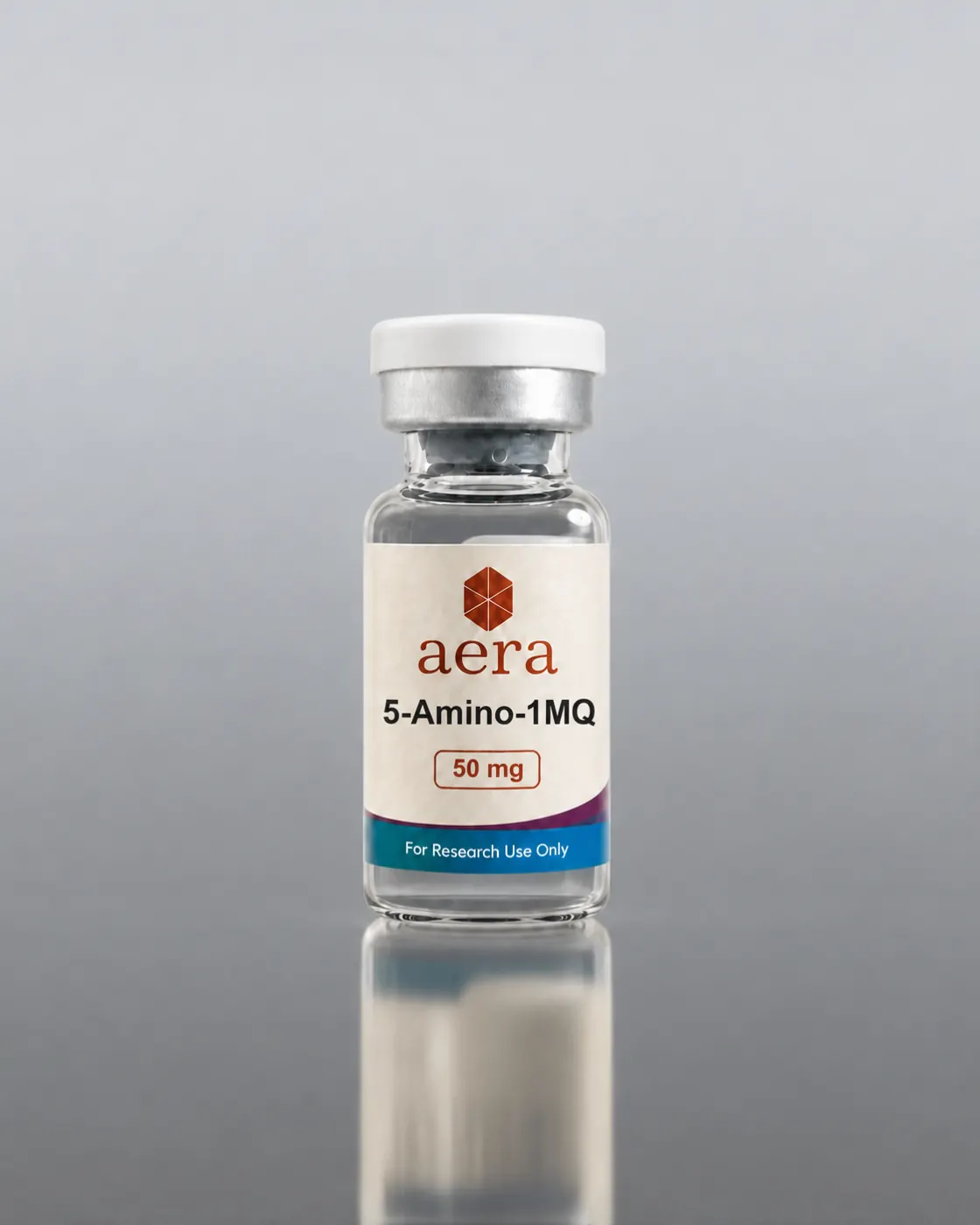 5-Amino-1MQ50mg + BAC WaterFrom ฿3,099$93 USD
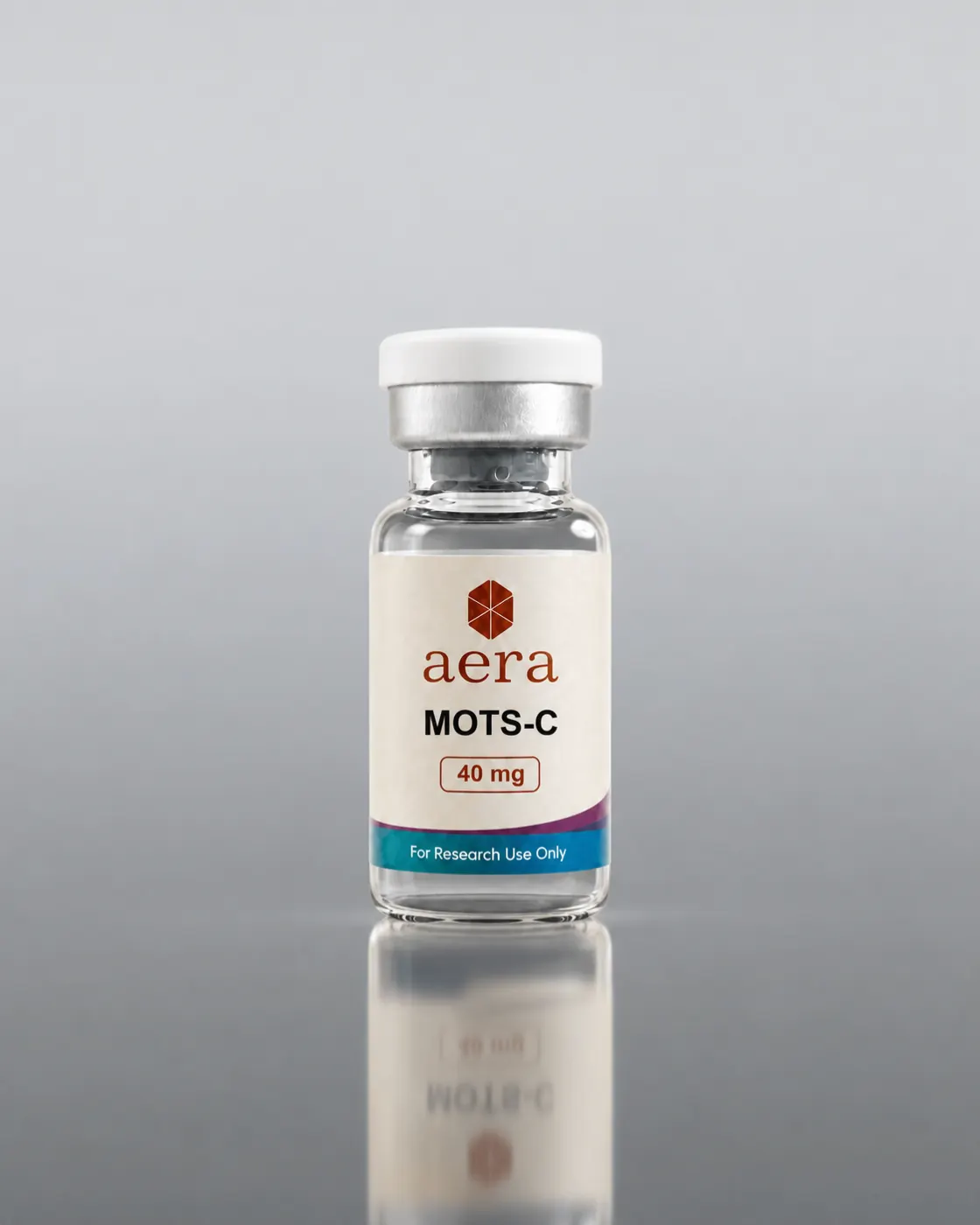 MOTS-c40mg and Pair (40mg x2)From ฿3,690$111 USD
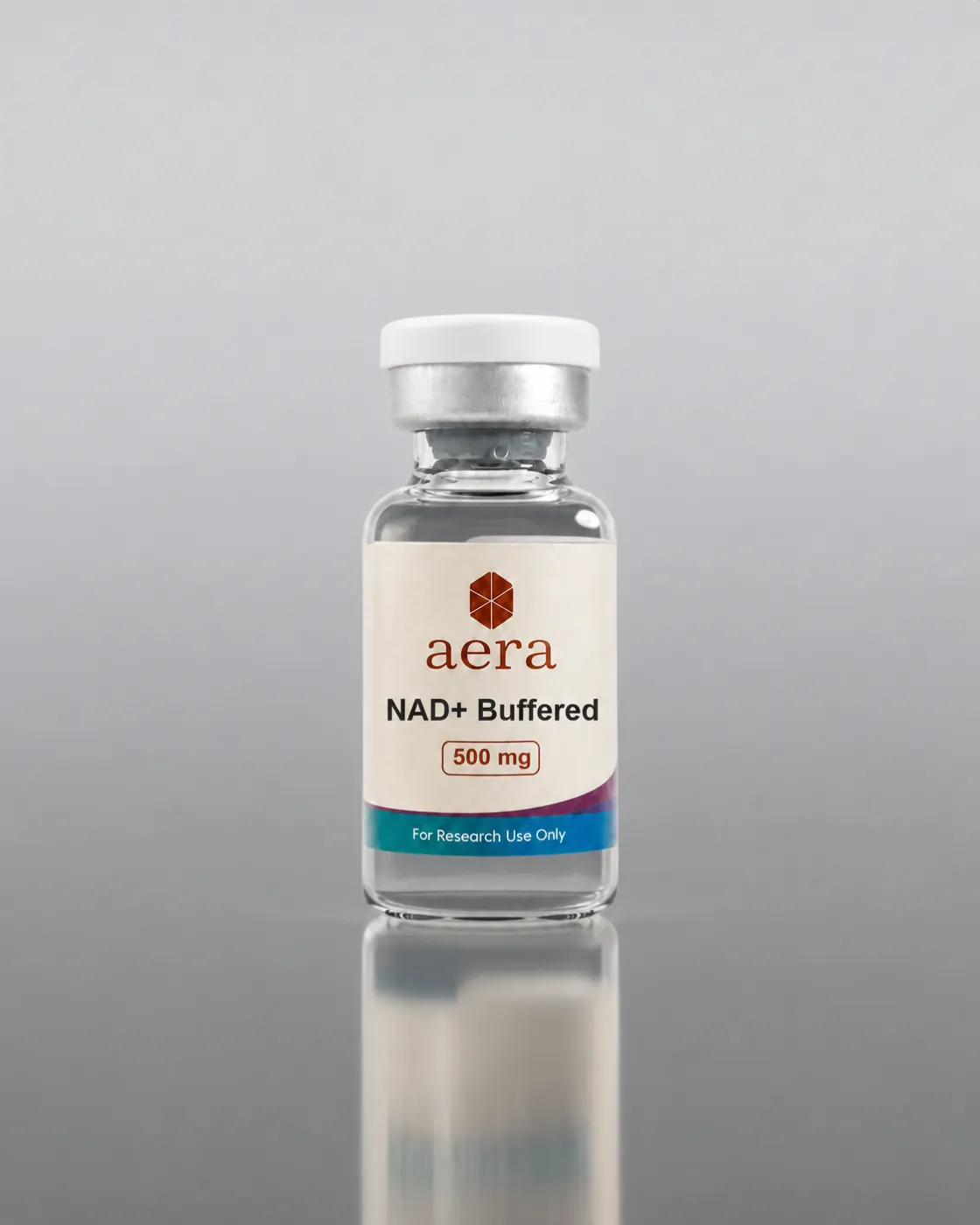 NAD+ Buffered500mg and 1000mgFrom ฿2,590$78 USD
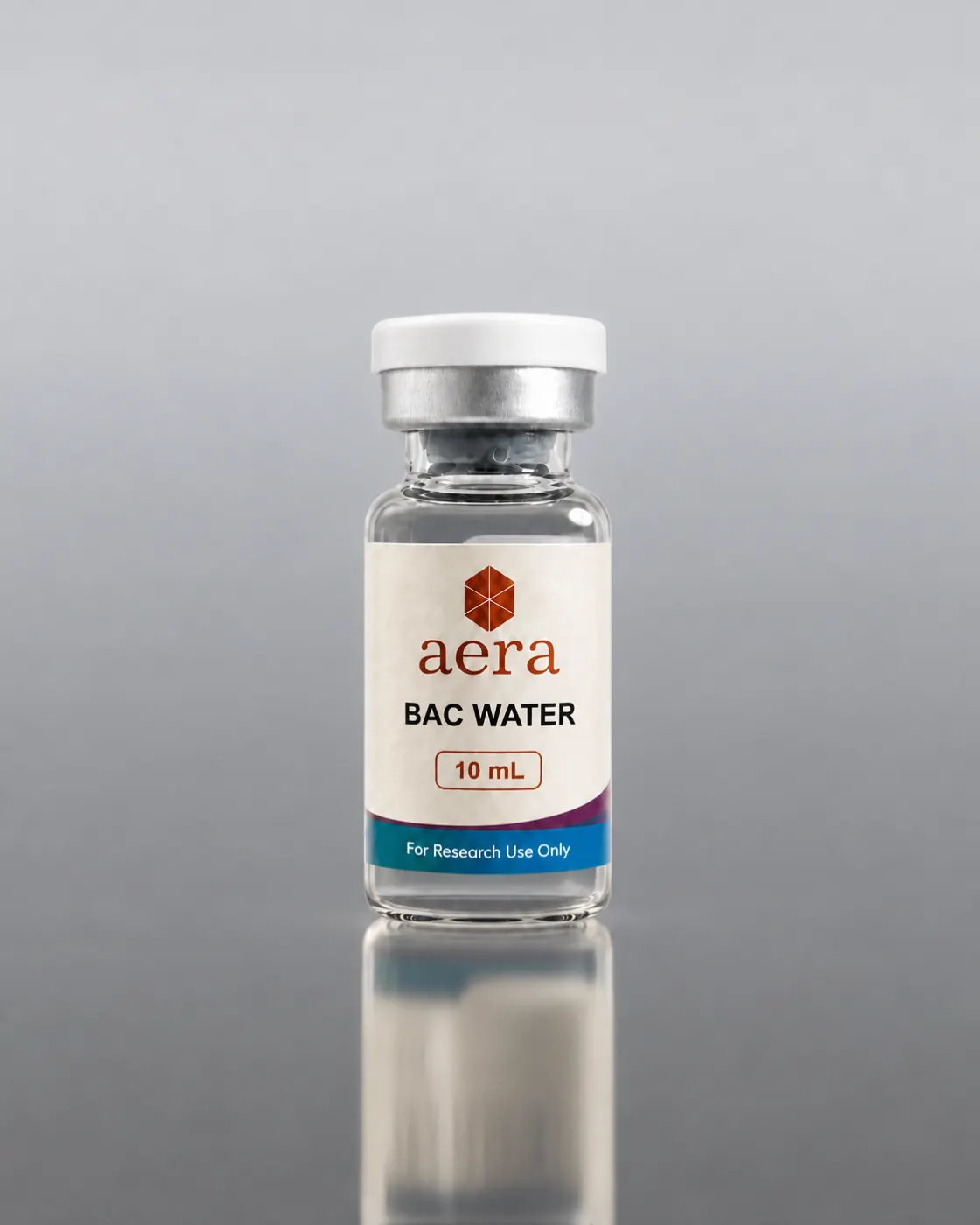 Bacteriostatic Water10mLFrom ฿300$9 USD
For research use only. Not for human or veterinary use. First Amino stocks Aera. Third-party tested.
References
Sources
- Neelakantan H, Vance V, Wetzel MD, et al. Selective and membrane-permeable small molecule inhibitors of nicotinamide N-methyltransferase reverse high fat diet-induced obesity in mice. Biochem Pharmacol 2018;147:141-152. doi.org/10.1016/j.bcp.2017.11.007
- Kraus D, Yang Q, Kong D, et al. Nicotinamide N-methyltransferase knockdown protects against diet-induced obesity. Nature 2014;508:258-262. doi.org/10.1038/nature13198
- Neelakantan H, Brightwell CR, Graber TG, et al. Small molecule nicotinamide N-methyltransferase inhibitor activates senescent muscle stem cells and improves regenerative capacity of aged skeletal muscle. Biochem Pharmacol 2019;163:481-492. doi.org/10.1016/j.bcp.2019.02.008
- World Anti-Doping Agency: the Prohibited List (S0, non-approved substances). wada-ama.org/en/prohibited-list
This guide is general information about research materials. It is not medical or legal advice.