
Orders from adults aged 20 and over.
Flat ฿60. Bangkok orders arrive next day.
Not for human or veterinary use.
Updated 9 November 2026
What is bacteriostatic water?
Short answer: Bacteriostatic water is sterile water with a small amount of benzyl alcohol added as a preservative. The benzyl alcohol stops most bacteria from multiplying, so a vial can be opened and drawn from more than once. Laboratories use it to dissolve lyophilised (freeze-dried) peptides. First Amino sells it as a supply alongside its research peptides.
The word "bacteriostatic" is precise. It means the preservative holds bacterial growth back; it does not kill every organism, and it does not make a contaminated vial clean again. It is a safeguard for repeated access, not a substitute for careful handling.
Pharmaceutical bacteriostatic water typically contains benzyl alcohol at around 0.9%, with no other active ingredients. It is clear, colourless and has a faint solvent smell.
Supplies
Bacteriostatic water, sterile water and saline compared
Three liquids get confused in peptide research. They are not interchangeable.
| Bacteriostatic water | Sterile water | Sterile saline | |
|---|---|---|---|
| What it is | Sterile water plus benzyl alcohol | Sterile water, no additives | Sterile water with sodium chloride, usually 0.9% |
| Preservative | Yes, benzyl alcohol | None | None, unless labelled bacteriostatic |
| Repeated access | Designed for it | Single use; discard after opening | Single use unless preserved |
| Typical lab use | Dissolving lyophilised peptides kept for several withdrawals | Dissolving material used all at once | Diluting solutions where salt content is wanted |
| First Amino | 10mL, from ฿300 | Not stocked | Not stocked |
Some peptides are sensitive to salt or to benzyl alcohol, so research groups check a compound's literature before choosing a solvent.
Supplies
Why labs use it with lyophilised peptides
Research peptides are shipped as dry powder because water speeds up their breakdown. Before most experiments the powder has to be dissolved, and once a vial holds liquid, every puncture of the stopper is a chance to bring in microbes.
With plain sterile water, a vial that is opened several times over a few weeks has no defence against that. Bacteriostatic water adds one. That is why it has become the default solvent for multi-use vials of peptides such as BPC-157 or GHK-Cu.
It is not right for everything. Product labels for pharmaceutical bacteriostatic water warn that benzyl alcohol is unsuitable for newborns, a lesson from cases in the early 1980s described in the medical literature. For research material, the practical point is simply to check whether a compound has known incompatibilities.
Supplies
Why benzyl alcohol?
Benzyl alcohol is one of the oldest preservatives used in pharmaceutical liquids. At the low concentration found in bacteriostatic water it slows the growth of common bacteria without changing the pH much or reacting with most dissolved compounds. It also has a mild local anaesthetic property, which is one reason it has long been used in clinical diluents.
It has trade-offs. Benzyl alcohol is slowly lost from an opened vial and its preserving effect is limited, so it does not stand in for clean technique: swabbing the stopper with alcohol, only ever drawing from it with new sterile equipment, and keeping the vial closed when not in use. Some proteins and peptides are also known to aggregate in the presence of benzyl alcohol, which is why manufacturers of sensitive biologics sometimes specify plain sterile water instead.
The bottom line for laboratories: bacteriostatic water is the standard solvent for multi-use peptide vials, but the compound's own literature comes first.
Supplies
Storing bacteriostatic water
- Unopened. Manufacturer labels for pharmaceutical bacteriostatic water typically specify controlled room temperature, around 20 to 25 °C. In Thailand that means somewhere cool and shaded indoors, not a hot car or a sunny shelf.
- Once opened. Write the opening date on the vial. Common pharmacy practice for preserved multi-use containers is to discard them 28 days after first access unless the manufacturer says otherwise.
- Once mixed with a peptide. The solution follows the storage needs of the peptide, not the water, so it goes in the fridge at 2 to 8 °C.
- Discard any vial that looks cloudy, has particles, or has a damaged seal.
Supplies
Is bacteriostatic water regulated in Thailand?
Bacteriostatic water is not a peptide and has no anti-doping status. Pharmaceutical-grade sterile diluents sold for clinical use in Thailand fall under Thai FDA rules. First Amino supplies bacteriostatic water as a laboratory supply for use with research materials, sold to adults aged 20 and over under our research-use terms and disclaimer. This is general information, not legal advice.
In practice, bacteriostatic water is sold in Thailand by pharmacies, medical suppliers and online peptide sellers, with wide differences in labelling. Buying it from the same supplier as your peptides keeps the paperwork in one place and avoids unlabelled substitutes.
Supplies
What to look for when buying
Because it looks like plain water, bacteriostatic water is easy to fake or mislabel. Before buying from anyone, check:
- A sealed vial. Factory-sealed, with an intact flip-off cap and stopper. Never accept a refilled or unsealed container.
- A proper label. The label should say bacteriostatic water, name benzyl alcohol as the preservative, and show a manufacturer and lot reference.
- An expiry date. It should be printed and well in the future.
- Clarity. The liquid should be completely clear with nothing floating in it.
- A supplier who answers. Our third-party test reports are published on the lab results page.
Supplies
Buying bacteriostatic water from First Amino
Bacteriostatic Water is on the bacteriostatic water product page, from ฿300, in 10mL. Most people add it to an order of peptides, so the solvent arrives with the vials. Prices are in Thai baht and delivery is a flat ฿60 anywhere in Thailand. Bangkok orders arrive next day, with fast shipping across Thailand.
Payment is by bank transfer: upload your slip at checkout and our team confirms the order before packing it. First Amino stocks Aera, every product is third-party tested, and real people reply fast through the contact page. Reports are on the lab results page, and the full range is under all products.
Questions
Bacteriostatic water: common questions
What is bacteriostatic water?
Bacteriostatic water is sterile water containing benzyl alcohol as a preservative, which holds back bacterial growth so a vial can be accessed more than once.
Is bacteriostatic water the same as sterile water?
No. Plain sterile water has no preservative and is meant to be used once and discarded. Bacteriostatic water contains benzyl alcohol so it can be used across several withdrawals.
How long does bacteriostatic water last once opened?
Common pharmacy practice is to discard preserved multi-use vials 28 days after first opening unless the manufacturer states otherwise. Label the vial with the date you open it.
Does bacteriostatic water need to be refrigerated?
Unopened vials are usually labelled for room temperature storage in a cool place. Once a peptide has been dissolved in it, the solution should be kept refrigerated at 2 to 8 °C.
How much does bacteriostatic water cost in Thailand at First Amino?
First Amino lists bacteriostatic water from ฿300, in 10mL. Delivery is a flat ฿60 and Bangkok orders arrive next day.
First Amino
In the catalogue
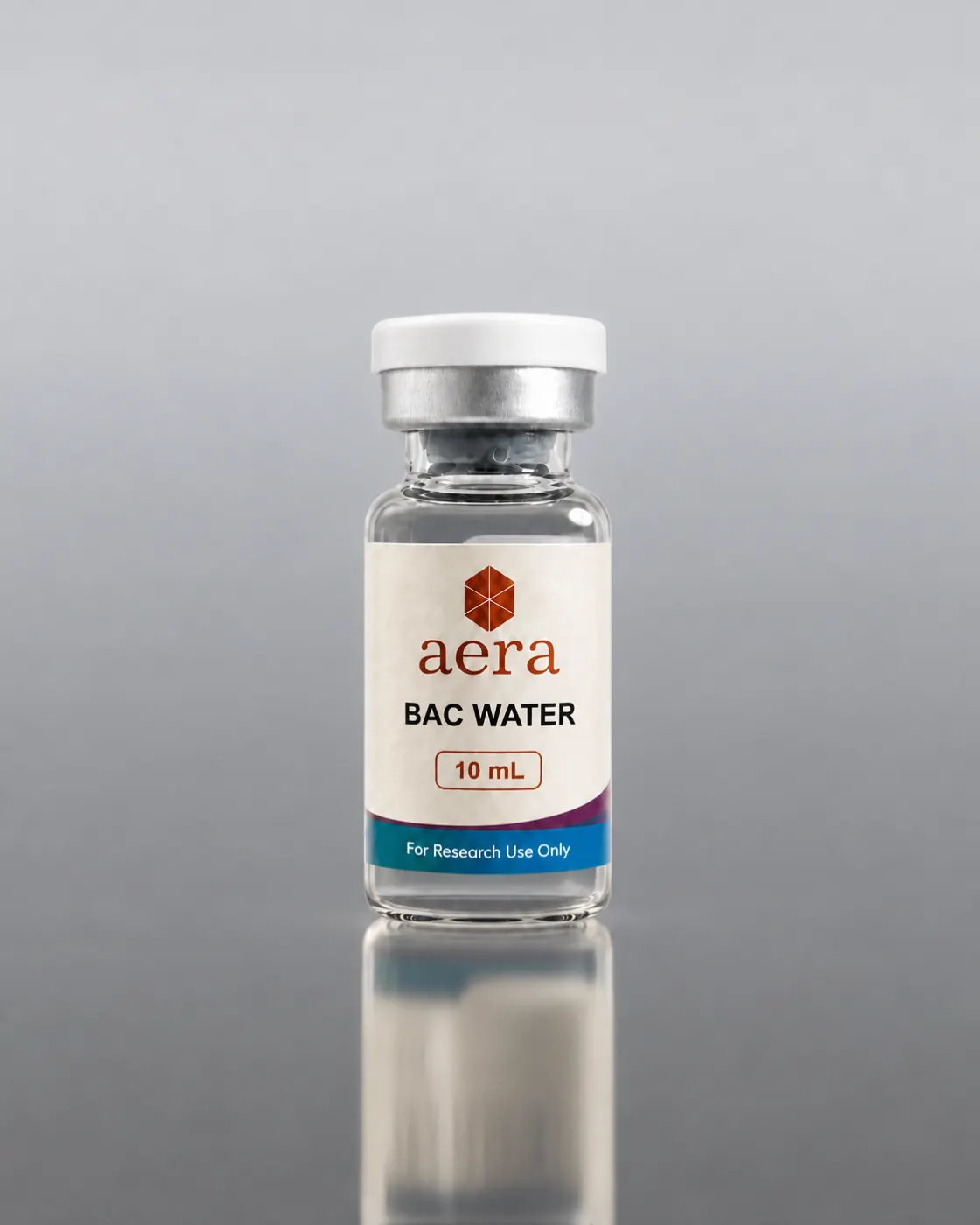 Bacteriostatic Water10mLFrom ฿300$9 USD
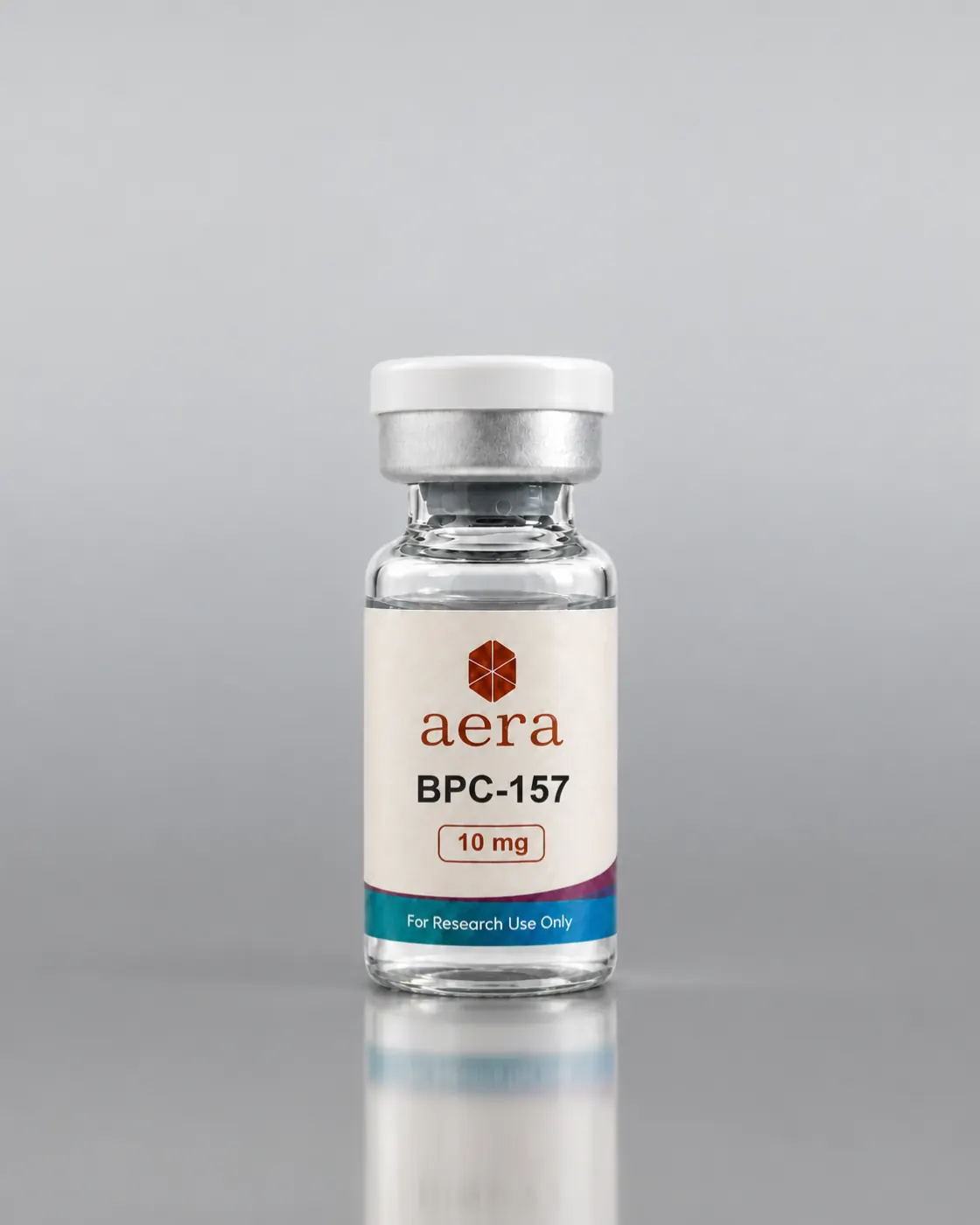 BPC-15710mgFrom ฿2,140$64 USD
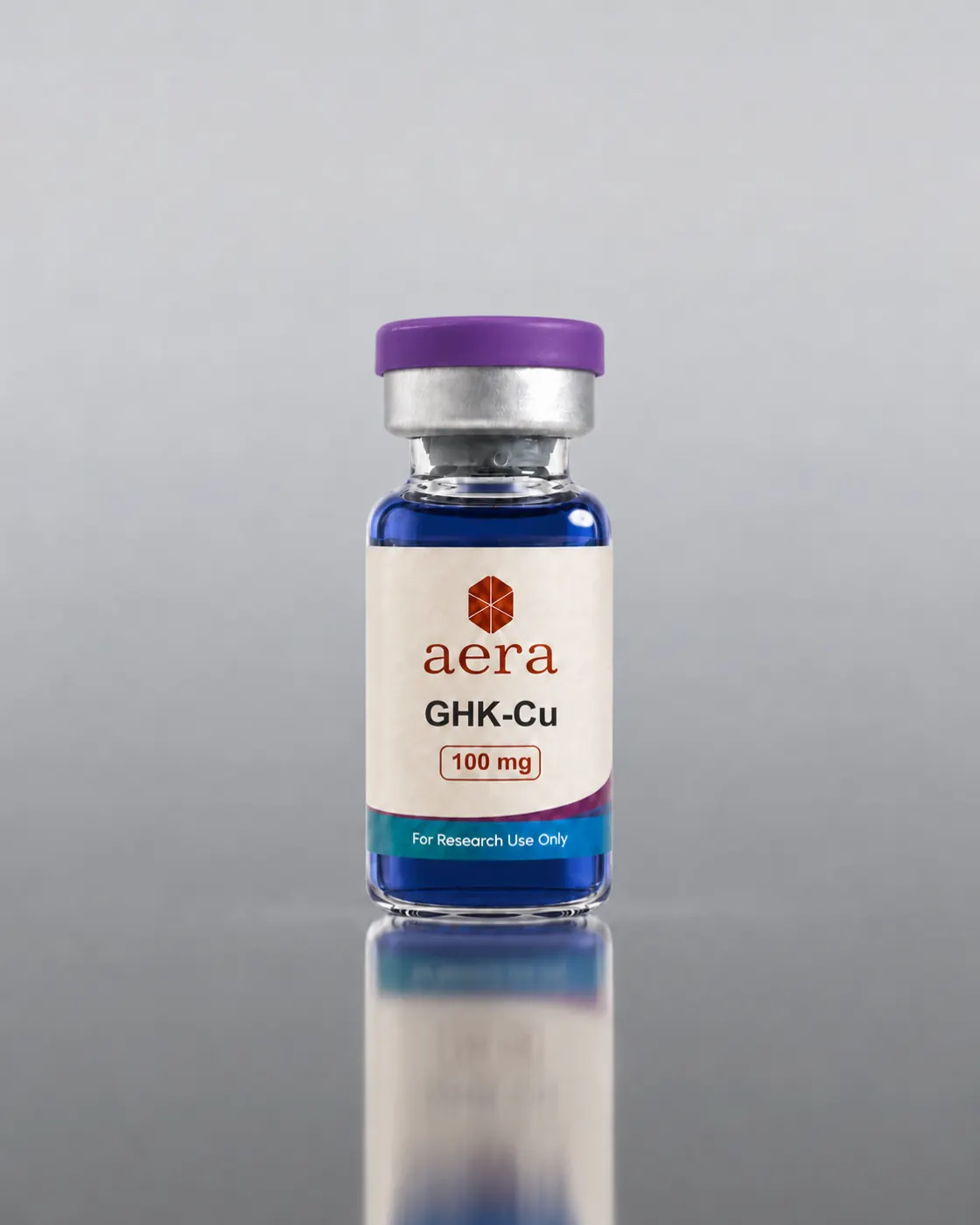 GHK-Cu100mgFrom ฿1,090$33 USD
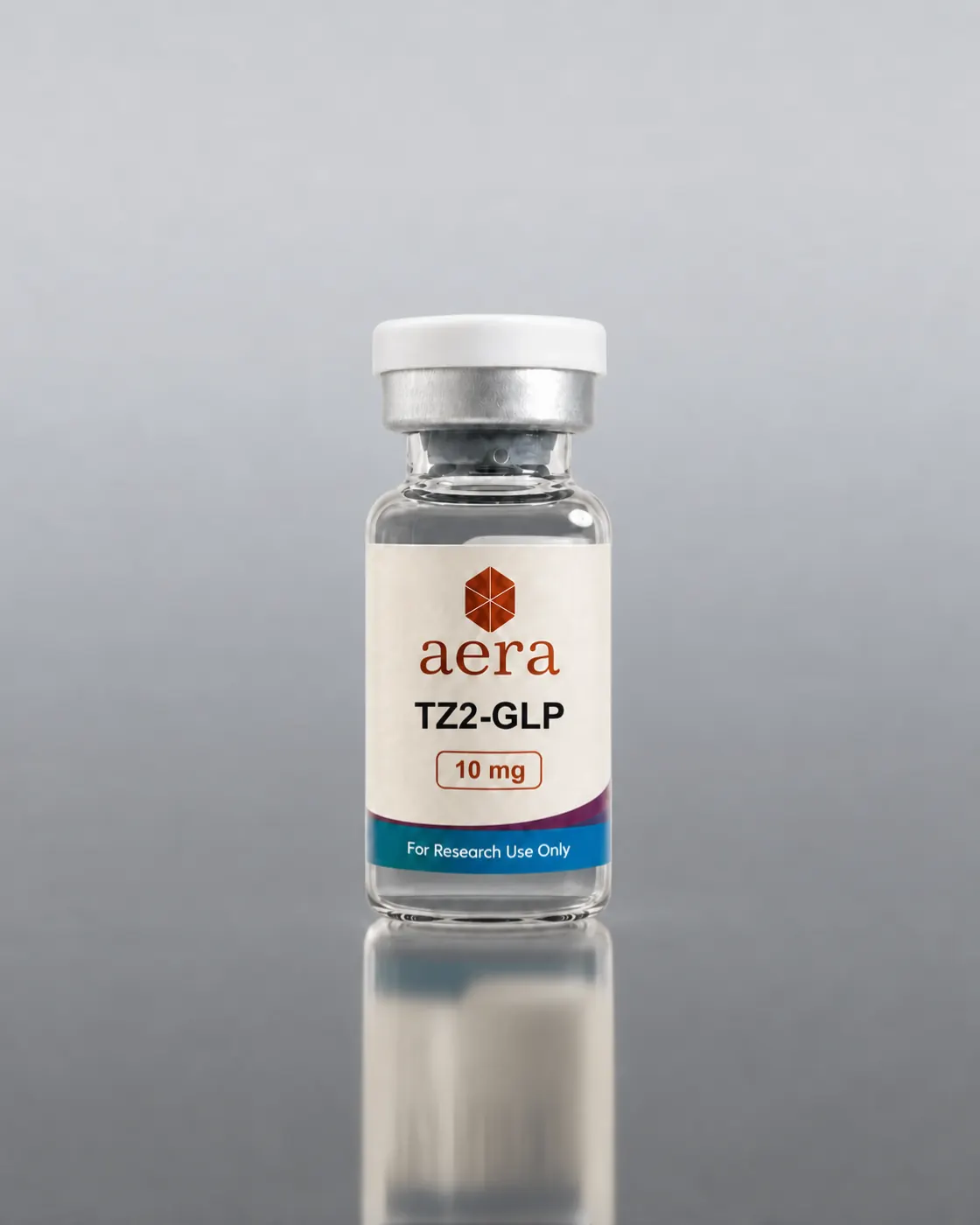 Tirzepatide10mg and 20mgFrom ฿1,890$57 USD
For research use only. Not for human or veterinary use. First Amino stocks Aera. Third-party tested.
References
Sources
- DailyMed: Bacteriostatic Water for Injection, USP (Hospira, Inc.) prescribing information, including composition, storage and benzyl alcohol warnings. dailymed.nlm.nih.gov/dailymed/drugInfo.cfm?setid=87d6e9dc-fe3b-4593-ac9a-d7493d1959c7
- DailyMed: Bacteriostatic Water (Henry Schein, Inc.) product label. dailymed.nlm.nih.gov/dailymed/drugInfo.cfm?setid=a833502e-a622-4e81-8c58-cef6ccb6c4c9
- Gershanik J, Boecler B, Ensley H, et al. The gasping syndrome and benzyl alcohol poisoning. N Engl J Med 1982;307:1384-1388. doi.org/10.1056/NEJM198211253072206
This guide is general information about research materials. It is not medical or legal advice.