
Orders from adults aged 20 and over.
Flat ฿60. Bangkok orders arrive next day.
Not for human or veterinary use.
Updated 9 November 2026
What is TB-500?
Short answer: TB-500 is a synthetic research peptide based on thymosin beta-4, a small protein that cells use to manage actin, the scaffolding that lets them change shape and move. It is sold as lyophilised powder for laboratory work. It is not a registered medicine in Thailand, and it is on the World Anti-Doping Agency's prohibited list.
Thymosin beta-4 itself is a 43-amino-acid protein found in almost every human cell type, at especially high levels in blood platelets and white cells. It was first isolated in the 1980s from thymus tissue, which is where the "thymosin" name comes from, although later work showed it is not specific to the thymus.
"TB-500" is a trade name rather than a scientific one. Suppliers use it for synthetic versions of thymosin beta-4 or for shorter fragments built around its actin-binding region, the seven-residue stretch LKKTETQ. When you compare products or papers, check which molecule is meant: much of the published science uses the full-length protein, not the fragment.
Recovery
What has thymosin beta-4 been studied for?
Research on thymosin beta-4 is broad but early. The main threads in the published literature are:
- Cell migration and actin. The protein binds G-actin and keeps a pool of it ready for the cell, which is why it shows up in work on how cells move into damaged areas.
- Tissue repair models. Rodent studies have looked at skin and corneal wound models, where groups receiving thymosin beta-4 were reported to close wounds faster than controls.
- Cardiac research. A widely cited 2004 study in Nature reported that thymosin beta-4 promoted the survival and migration of heart muscle cells in mice after experimental injury, which led to a decade of follow-up work in heart models.
- Inflammation and blood vessel formation. Cell and animal studies have described effects on inflammatory signalling and on the growth of new blood vessels.
The honest summary: the strongest evidence is from cells and animals. A small number of human trials have tested thymosin beta-4 in eye drop form for corneal conditions, but there is no large body of human data for the research peptides sold as TB-500, and results in mice do not predict results in people.
Recovery
Is TB-500 legal in Thailand?
TB-500 is not registered with the Thai FDA as a medicine, so it cannot lawfully be sold or advertised as one. First Amino lists it only as research material, sold to adults aged 20 and over who accept our research-use terms and disclaimer. This is general information, not legal advice.
In sport the position is clear. The World Anti-Doping Agency names thymosin beta-4 and its derivatives, including TB-500, under section S2 of its prohibited list, so they are banned at all times, in and out of competition. Horse racing authorities test for it too. Anyone subject to anti-doping rules should regard any TB-500 product as off limits.
Recovery
TB-500, BPC-157 and the Wolverine Stack compared
TB-500 is most often researched next to BPC-157. They are different molecules from different research traditions, which is exactly why some labs look at them side by side.
| TB-500 | BPC-157 | Wolverine Stack | |
|---|---|---|---|
| What it is | Synthetic thymosin beta-4 or its actin-binding fragment | 15-amino-acid fragment of a protein found in gastric juice | TB-500 and BPC-157 in one vial |
| Main research area | Cell migration, wound and cardiac models | Tendon, muscle and gut lining models | Both, in a single research material |
| Human data | Limited; small eye-drop trials of the full protein | Very limited | None as a combination |
| WADA | Prohibited (S2) | Prohibited (S0) | Prohibited |
| First Amino | 10mg, from ฿2,040 | 10mg, from ฿2,140 | 10mg, from ฿1,490 |
For the combined vial, see our Wolverine Stack guide.
Recovery
How research TB-500 is supplied and stored
First Amino supplies TB-500 as a white lyophilised (freeze-dried) powder in a sealed, labelled glass vial, 10mg. Freeze-drying keeps a peptide stable far longer than a liquid would, but it still degrades with heat, light and moisture.
- Keep sealed vials in a refrigerator at 2 to 8 °C, away from light. For long storage, laboratories usually freeze them.
- Let a cold vial reach room temperature before opening, so condensation does not form inside.
- Labs reconstitute lyophilised peptides with a sterile solvent such as bacteriostatic water, then keep the solution refrigerated and use it within a short window.
Thailand's heat matters here. A parcel left on a doorstep in the afternoon is not ideal, so plan to be in when it arrives and move it to the fridge straight away.
Recovery
How to judge a TB-500 supplier
The Thai market has plenty of sellers, and the label alone tells you little. Before you order from anyone, check:
- Third-party testing. Is there a report from an independent lab that names the product and can be checked on the lab's own site? Our third-party test reports are published on the lab results page.
- Which molecule. Does the seller say whether the vial is full-length thymosin beta-4 or a fragment?
- Clear strength and price. The amount per vial and the price in baht should be on the page, not "message us for price".
- A real way to reach people. Questions should get answered by a person, quickly, before and after you pay.
- Honest framing. Sellers promising results in people are telling you something about how they operate.
Recovery
Buying TB-500 from First Amino
TB-500 is on the TB-500 product page, from ฿2,040. Prices are in Thai baht and delivery is a flat ฿60 anywhere in Thailand. Bangkok orders arrive next day, with fast shipping across Thailand. You pay by bank transfer at checkout, upload the slip, and our team confirms the order before it is packed.
First Amino stocks Aera, and every vial is third-party tested. If you have a question about the product or your order, the contact page reaches real people who reply fast. For the wider recovery range, see all products.
Questions
TB-500: common questions
What is TB-500?
TB-500 is a synthetic research peptide based on thymosin beta-4, a 43-amino-acid protein that binds actin inside cells. It is supplied as lyophilised powder for laboratory research.
Is TB-500 the same as thymosin beta-4?
Not always. The name is used for synthetic full-length thymosin beta-4 and for shorter fragments built around its actin-binding region, so check which one a product contains.
Is TB-500 banned in sport?
Yes. WADA lists thymosin beta-4 and its derivatives, including TB-500, under S2 of the prohibited list, banned in and out of competition.
Is TB-500 approved as a medicine in Thailand?
No. TB-500 is not a registered medicine in Thailand. First Amino sells it for laboratory research only, to adults aged 20 and over.
How much does TB-500 cost in Thailand at First Amino?
First Amino lists TB-500 from ฿2,040, in 10mg. Delivery is a flat ฿60 and Bangkok orders arrive next day.
First Amino
In the catalogue
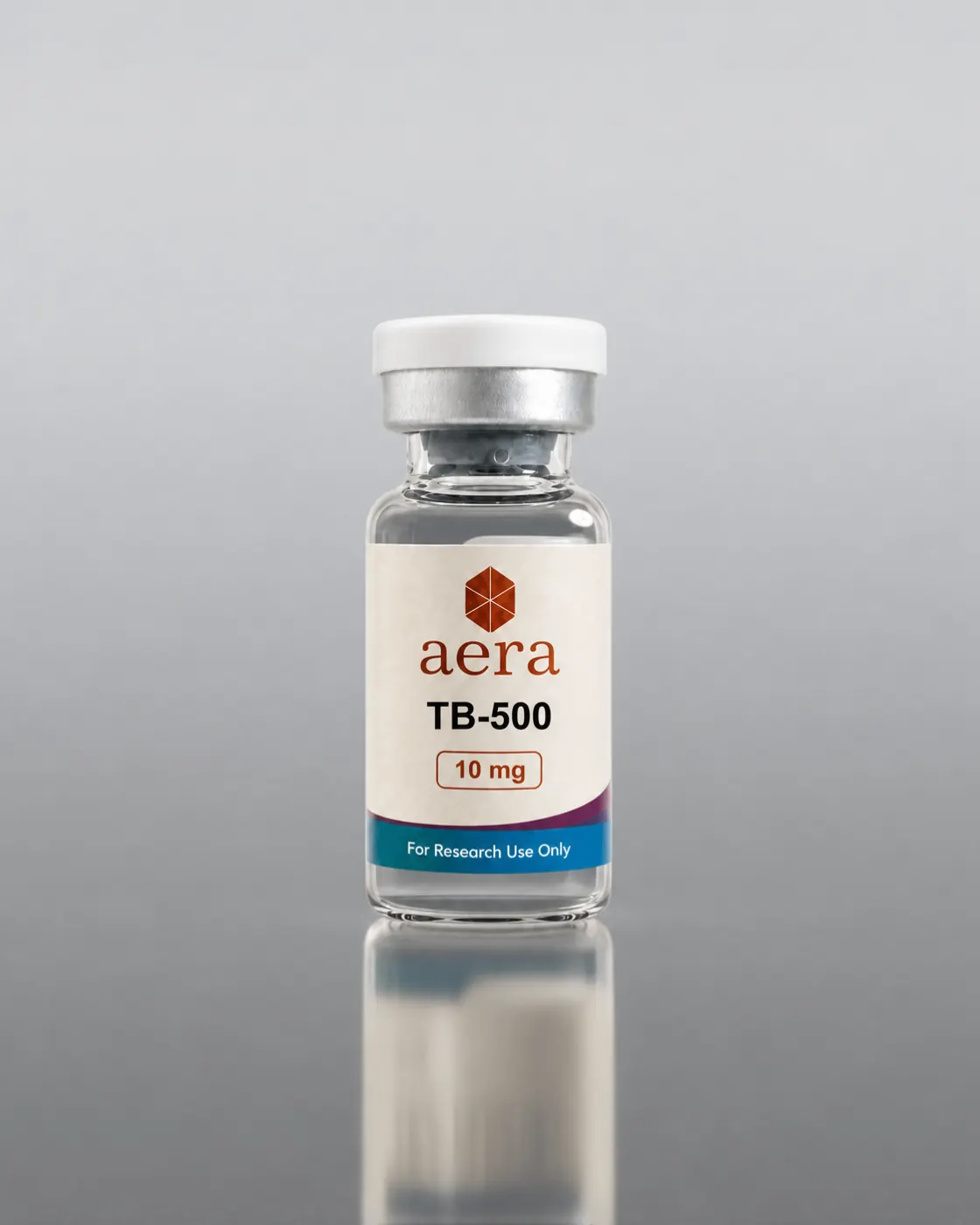 TB-50010mgFrom ฿2,040$61 USD
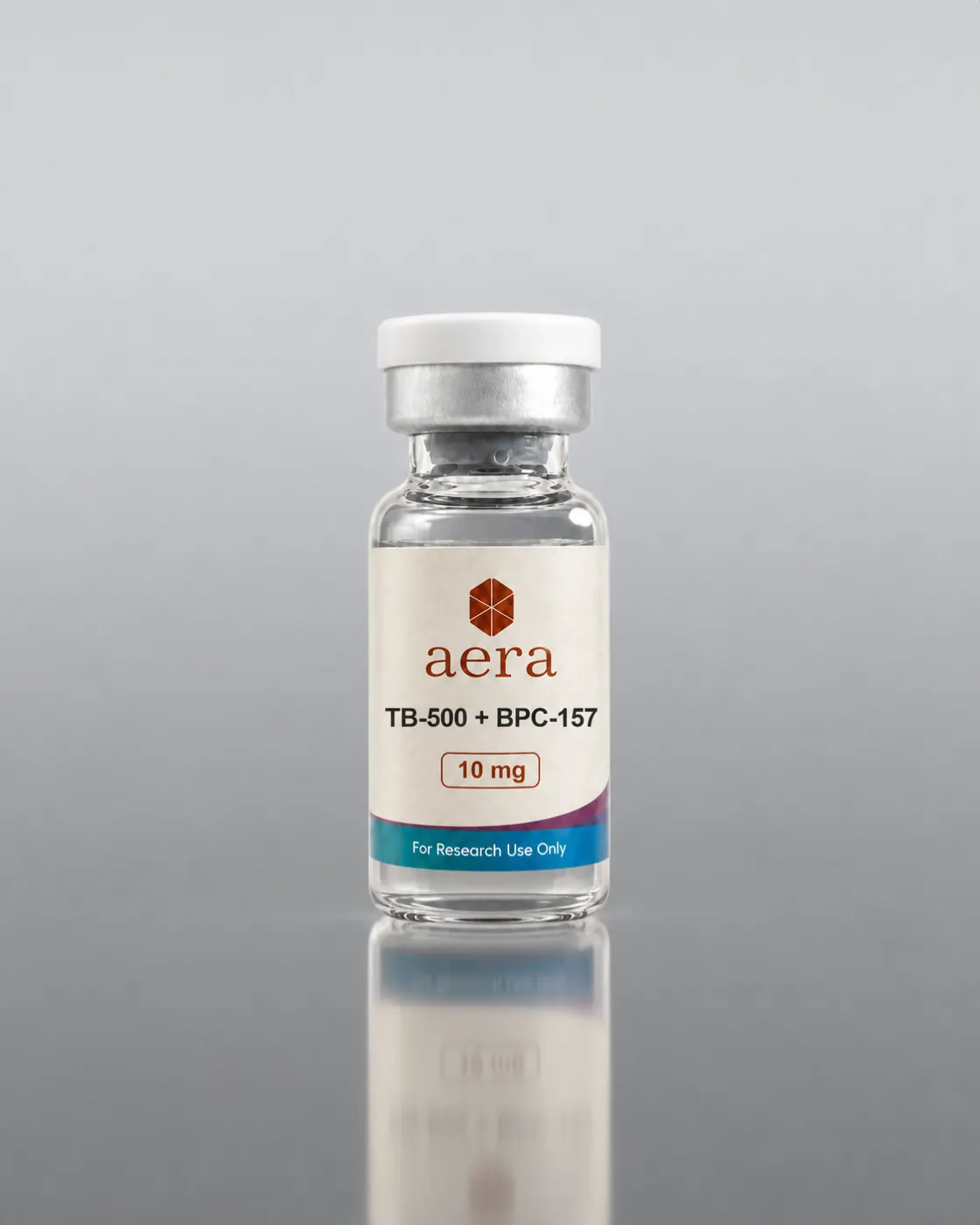 Wolverine Stack10mgFrom ฿1,490$45 USD
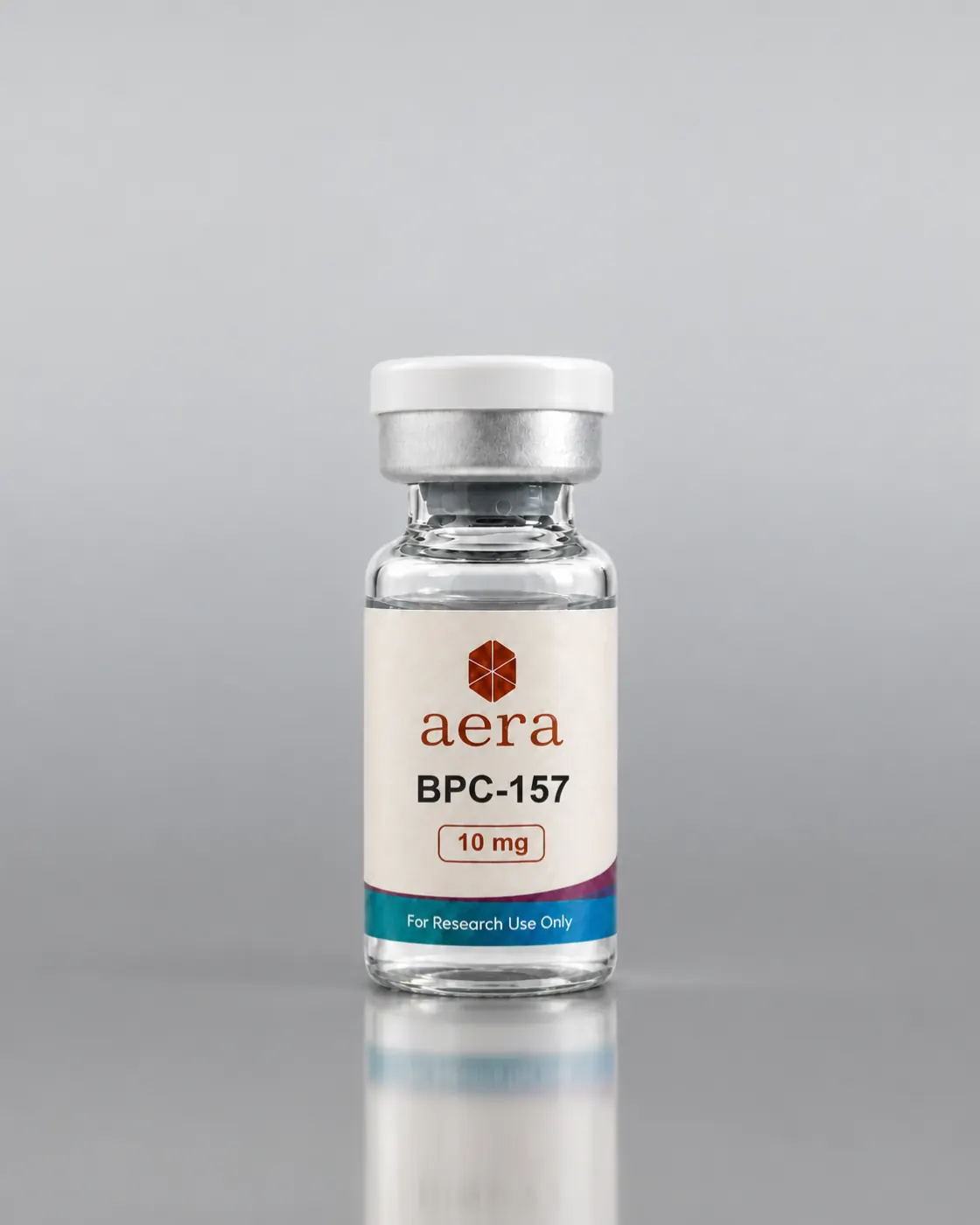 BPC-15710mgFrom ฿2,140$64 USD
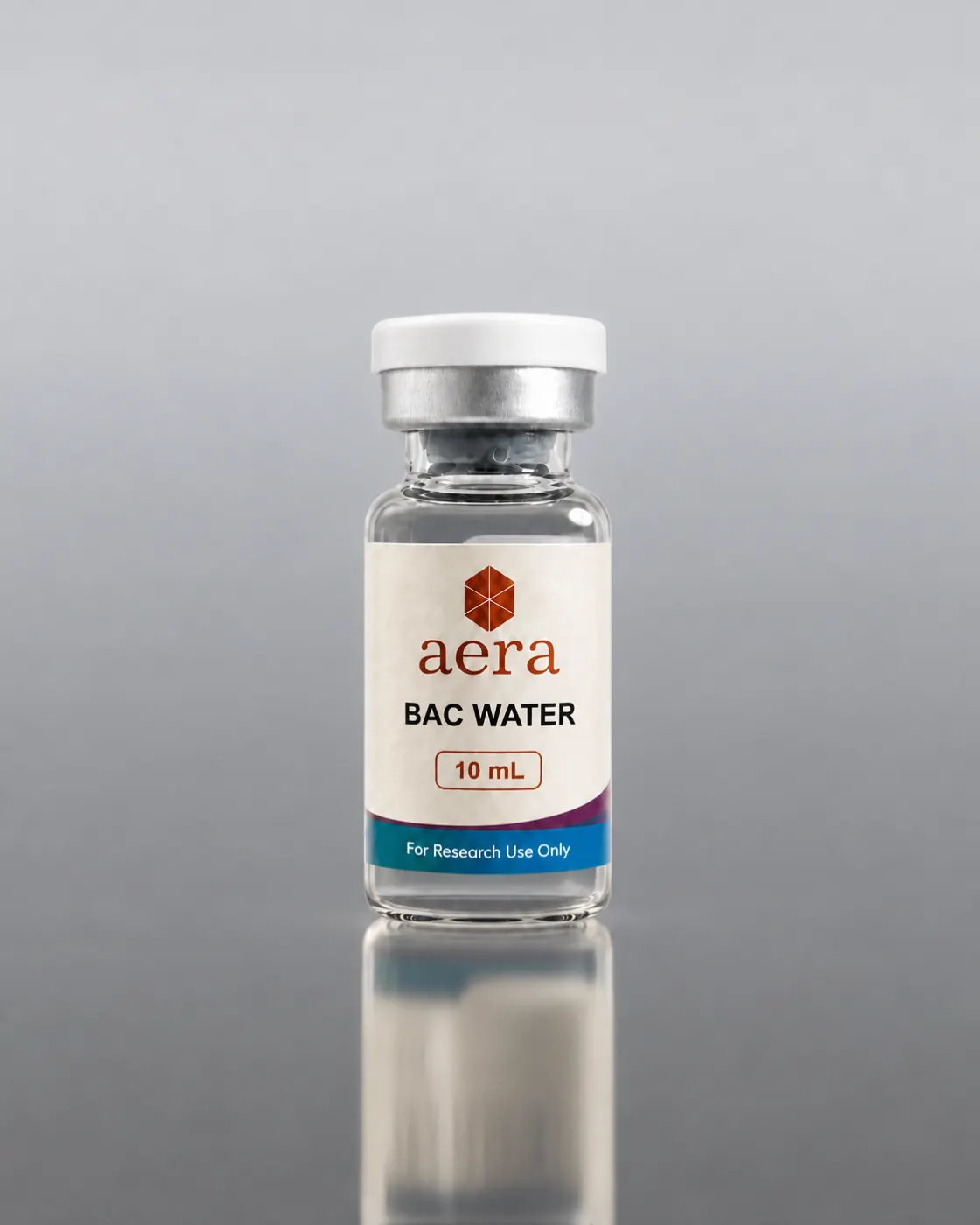 Bacteriostatic Water10mLFrom ฿300$9 USD
For research use only. Not for human or veterinary use. First Amino stocks Aera. Third-party tested.
References
Sources
- Goldstein AL, Hannappel E, Sosne G, Kleinman HK. Thymosin beta4: a multi-functional regenerative peptide. Basic properties and clinical applications. Expert Opin Biol Ther 2012;12(1):37-51. doi.org/10.1517/14712598.2012.634793
- Bock-Marquette I, Saxena A, White MD, et al. Thymosin beta4 activates integrin-linked kinase and promotes cardiac cell migration, survival and cardiac repair. Nature 2004;432:466-472. doi.org/10.1038/nature03000
- World Anti-Doping Agency: the Prohibited List (S2, peptide hormones, growth factors, related substances and mimetics). wada-ama.org/en/prohibited-list
This guide is general information about research materials. It is not medical or legal advice.