
Orders from adults aged 20 and over.
Flat ฿60. Bangkok orders arrive next day.
Not for human or veterinary use.
Updated 9 November 2026
What is KPV?
Short answer: KPV is a three-amino-acid peptide (lysine, proline, valine) taken from the tail end of alpha-melanocyte-stimulating hormone, or alpha-MSH. It is studied for its anti-inflammatory activity, mainly in cell cultures and mouse models of colitis. It is sold as a lyophilised research peptide and is not a registered medicine in Thailand.
Alpha-MSH is a 13-amino-acid hormone best known for its role in skin pigmentation and appetite. In the 1980s and 1990s researchers noticed it also dampened inflammation, and that much of this activity survived when the hormone was cut down to its last three residues, positions 11 to 13. That fragment is KPV.
The interest in such a short piece is practical. KPV keeps a good part of the anti-inflammatory signal while appearing to lose most of the pigment-related activity of the full hormone, and a tripeptide is simple and cheap to make. It is one of the smallest peptides in our range.
Recovery
What has KPV been studied for?
The KPV literature is modest in size and almost entirely preclinical. The main lines of work:
- Gut inflammation in mice. A 2008 study in Gastroenterology reported that KPV is carried into intestinal and immune cells by PepT1, a transporter for small peptides that becomes more active in the inflamed colon. Mice given KPV in drinking water showed less inflammation in two chemically induced colitis models.
- Separate colitis models. Another 2008 study, in Inflammatory Bowel Diseases, tested KPV in chemical and immune-cell transfer colitis in mice and reported faster recovery and fewer inflammatory cells in the colon. The effect appeared partly independent of MC1R, the receptor alpha-MSH normally acts through.
- Signalling. In cell work, KPV at very low concentrations reduced activation of NF-kappaB and MAP kinase pathways, two central switches for inflammatory cytokine production.
- Delivery research. Later studies packaged KPV in nanoparticles designed to release it in the colon of mice.
A 2008 review in Endocrine Reviews brought together the alpha-MSH and tripeptide findings across skin, gut, joint and eye models, and is a good starting point for anyone reading into the field.
The honest summary: KPV's anti-inflammatory activity is reasonably consistent across cell and mouse studies, and the PepT1 mechanism is a genuinely interesting finding. But no controlled human trials of KPV have been published, and colitis models in mice are a long way from human disease.
Recovery
Is KPV legal in Thailand, and in sport?
KPV is not registered as a medicine with the Thai FDA, or as far as we know with any regulator, so it cannot be marketed as one. First Amino supplies it only as research material to adults aged 20 and over who accept our research-use terms and disclaimer. This is general information, not legal advice.
KPV is not named on the WADA prohibited list. The S0 class, though, covers any substance without approval for human therapeutic use by a health authority, and the 2027 list adds peptides in general as an example of S0 substances. An unapproved peptide like KPV is therefore likely to be caught. Athletes should regard it as off limits and confirm with their anti-doping organisation.
Recovery
KPV, BPC-157 and the KLOW blend compared
KPV is often researched alongside other peptides used in inflammation and tissue models. The table shows how they differ.
| KPV | BPC-157 | KLOW | |
|---|---|---|---|
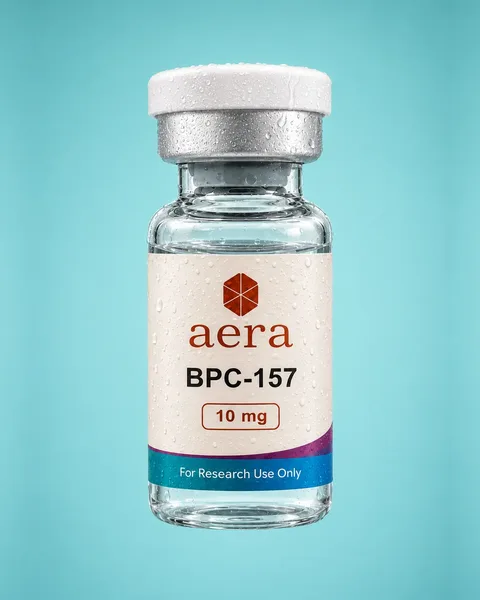
| What it is | Tripeptide from the end of alpha-MSH | 15-amino-acid fragment of a gastric protein | Blend of GHK-Cu, TB-500, BPC-157 and KPV |
| Main research area | Inflammatory signalling, mouse colitis | Tendon, muscle and gut lining models | Combination of the four research areas |
| Human data | None from controlled trials | Very limited | None as a combination |
| WADA | Not named; S0 likely applies | Prohibited (S0) | Prohibited (contains listed peptides) |
| First Amino | 10mg, from ฿1,490 | 10mg, from ฿2,140 | 80mg, from ฿3,390 |
For the blend, see our KLOW guide; for TB-500, the TB-500 guide.
Recovery
How research KPV is supplied and stored
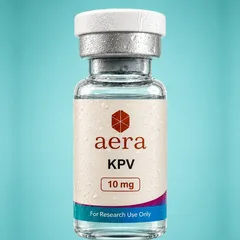
First Amino supplies KPV as a lyophilised powder in a sealed, labelled glass vial, 10mg. Short peptides are fairly robust when dry, but they still degrade with warmth, moisture and light.
- Store sealed vials in the refrigerator at 2 to 8 °C, protected from light. Labs freeze them for long-term storage.
- Let the vial reach room temperature before opening so that no condensation forms inside.
- Reconstitution in the lab uses a sterile solvent such as bacteriostatic water; the solution is kept refrigerated and used within a short window.
Hot afternoons in Thailand are a real risk for parcels, so plan to receive the order in person and get it into the fridge quickly.
Recovery
How to judge a KPV supplier
A tripeptide is easy to make, which also makes it easy to sell carelessly. Before ordering from anyone:
- Ask for third-party testing. A report from an independent lab that names the product and can be checked. Our third-party test reports are published on the lab results page.
- Check the sequence. It should be stated as Lys-Pro-Val, the alpha-MSH 11-13 fragment.
- Look for open pricing. Size and price in baht should be on the page.
- Test the support. A quick, human answer to a question before you pay is a good sign.
- Read the claims. Promises about gut or skin results in people are not supported by published evidence.
Recovery
Buying KPV from First Amino
KPV is on the KPV product page, from ฿1,490. Prices are in Thai baht and delivery is a flat ฿60 anywhere in Thailand. Bangkok orders arrive next day, with fast shipping across Thailand. You pay by bank transfer, upload your slip at checkout, and our team confirms the order before it is packed.
First Amino stocks Aera. Our products are third-party tested, and reports are listed on the lab results page. Questions go to real people via the contact page, and replies are fast. See all products for the rest of the recovery range.
Questions
KPV: common questions
What is KPV?
KPV is a tripeptide (lysine-proline-valine) made of the last three amino acids of alpha-MSH. It is studied for anti-inflammatory activity in cell and animal research.
Has KPV been tested in humans?
No controlled human trials of KPV have been published. The evidence comes from cell studies and mouse models of colitis.
Is KPV banned in sport?
KPV is not named on the WADA list, but WADA's S0 class covers unapproved substances, and the 2027 list names peptides as an example. Athletes should regard it as off limits.
Is KPV a registered medicine in Thailand?
No. KPV is not a registered medicine in Thailand. First Amino sells it for laboratory research only, to adults aged 20 and over.
How much is KPV in Thailand at First Amino?
First Amino lists KPV from ฿1,490, in 10mg. Delivery is a flat ฿60 and Bangkok orders arrive next day.
First Amino
In the catalogue
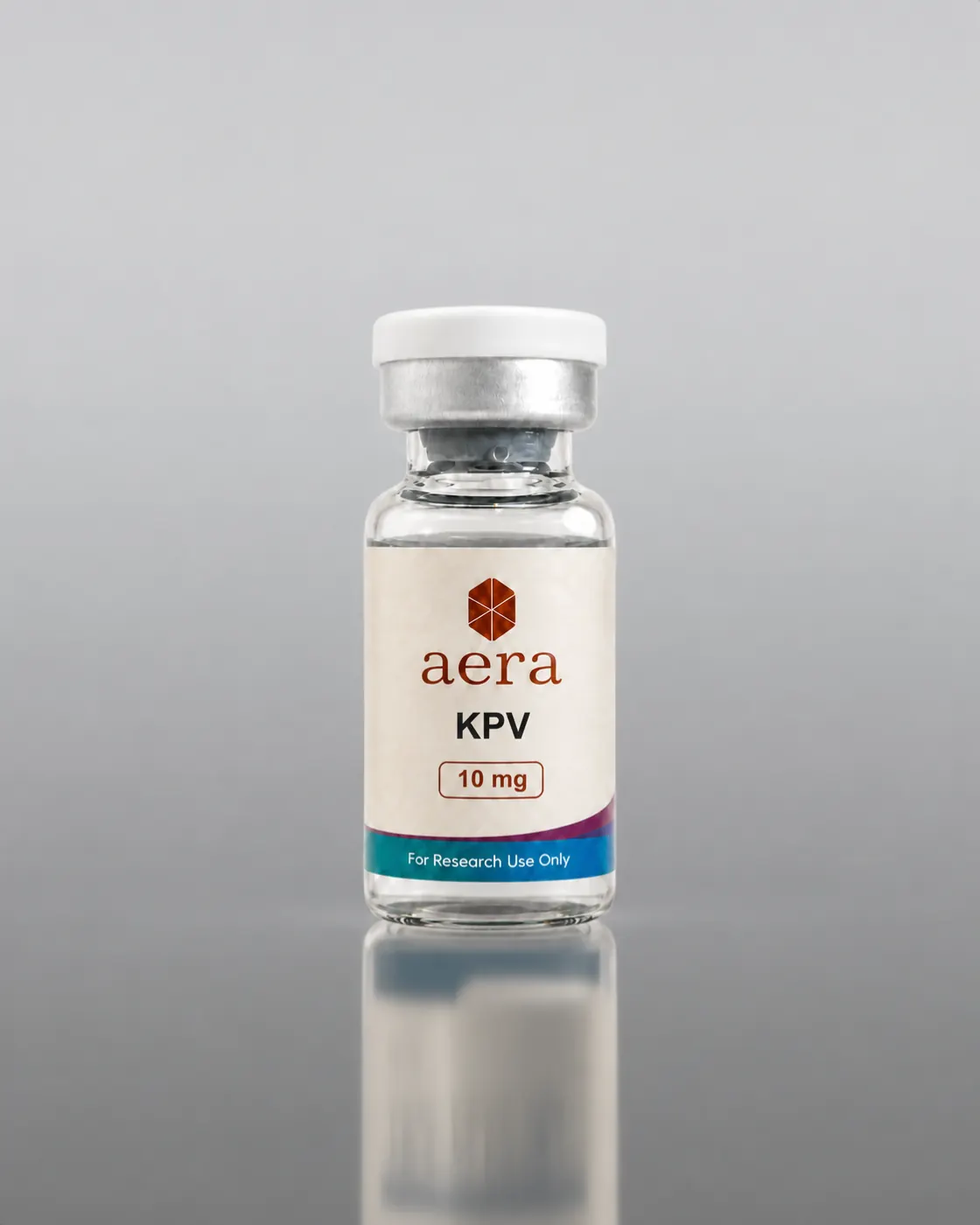 KPV10mgFrom ฿1,490$45 USD
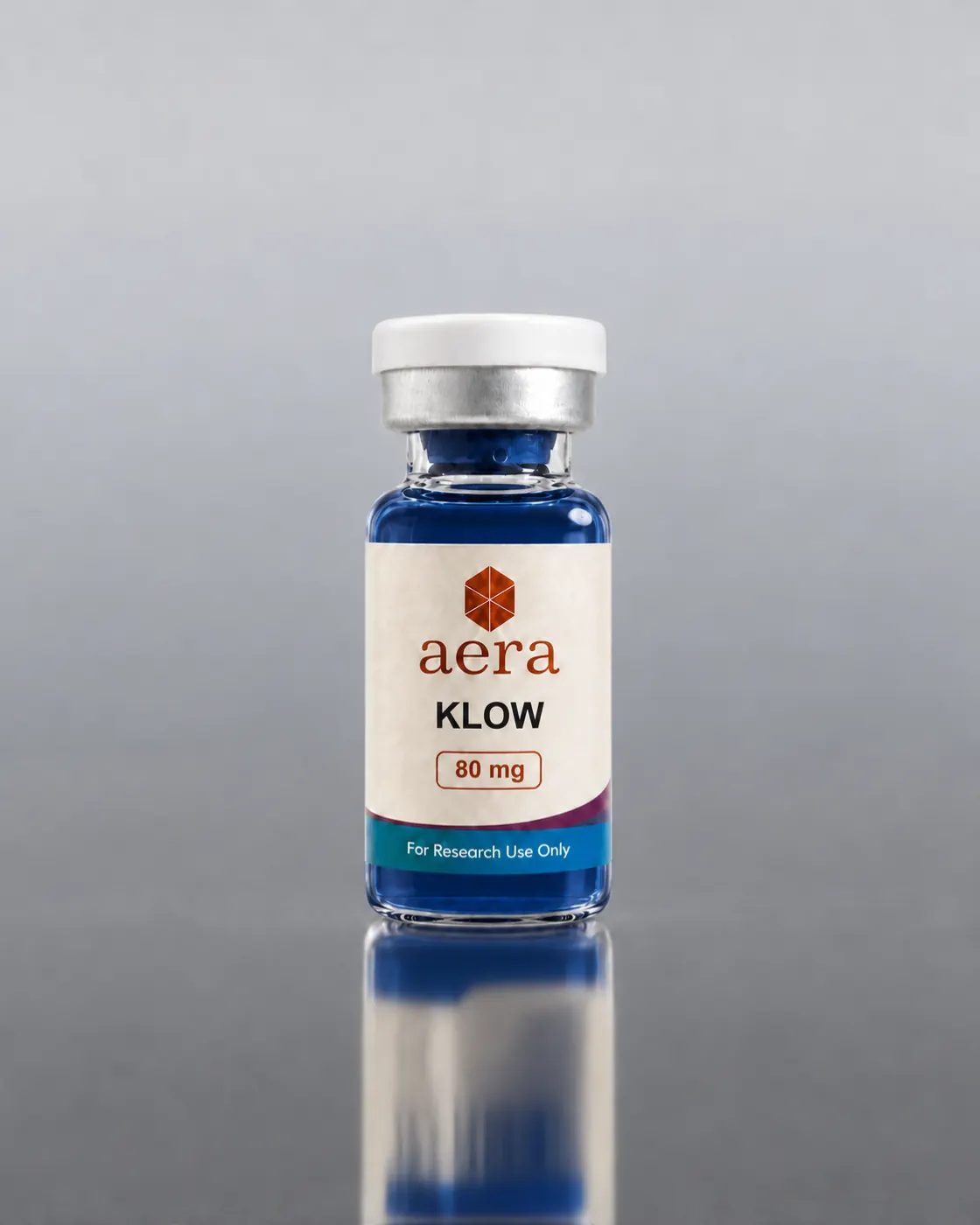 Klow Blend80mgFrom ฿3,390$102 USD
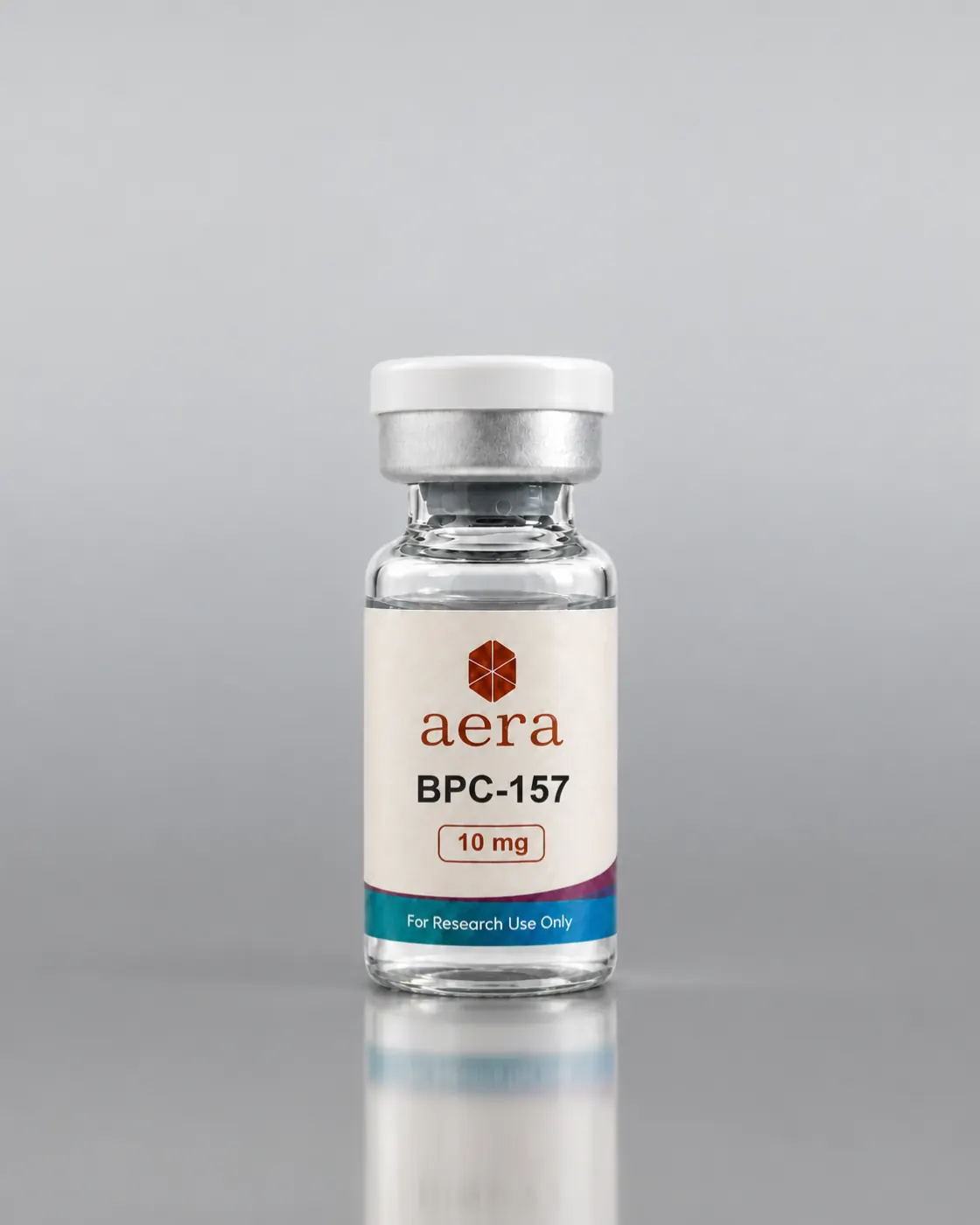 BPC-15710mgFrom ฿2,140$64 USD
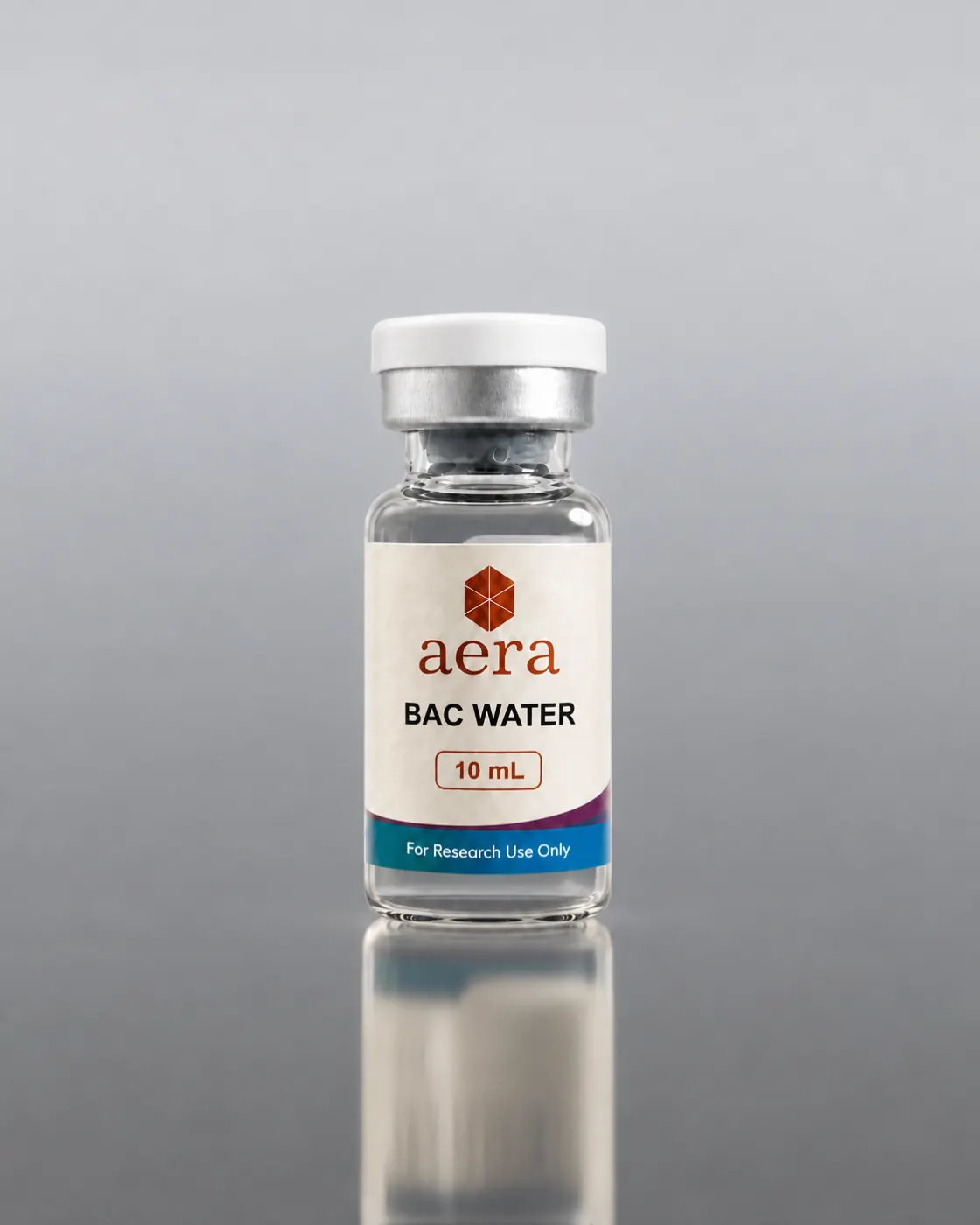 Bacteriostatic Water10mLFrom ฿300$9 USD
For research use only. Not for human or veterinary use. First Amino stocks Aera. Third-party tested.
References
Sources
- Dalmasso G, Charrier-Hisamuddin L, Nguyen HT, et al. PepT1-mediated tripeptide KPV uptake reduces intestinal inflammation. Gastroenterology 2008;134(1):166-178. doi.org/10.1053/j.gastro.2007.10.026
- Kannengiesser K, Maaser C, Heidemann J, et al. Melanocortin-derived tripeptide KPV has anti-inflammatory potential in murine models of inflammatory bowel disease. Inflamm Bowel Dis 2008;14(3):324-331. doi.org/10.1002/ibd.20334
- Brzoska T, Luger TA, Maaser C, Abels C, Böhm M. Alpha-melanocyte-stimulating hormone and related tripeptides: biochemistry, antiinflammatory and protective effects in vitro and in vivo, and future perspectives for the treatment of immune-mediated inflammatory diseases. Endocr Rev 2008;29(5):581-602. doi.org/10.1210/er.2007-0027
- Laroui H, Dalmasso G, Nguyen HT, et al. Drug-loaded nanoparticles targeted to the colon with polysaccharide hydrogel reduce colitis in a mouse model. Gastroenterology 2010;138(3):843-853. doi.org/10.1053/j.gastro.2009.11.003
- World Anti-Doping Agency: the Prohibited List (S0, non-approved substances). wada-ama.org/en/prohibited-list
This guide is general information about research materials. It is not medical or legal advice.