
Orders from adults aged 20 and over.
Flat ฿60. Bangkok orders arrive next day.
Not for human or veterinary use.
Updated 9 November 2026
What is the KLOW blend?
Short answer: KLOW is the GLOW blend (GHK-Cu, TB-500 and BPC-157) with a fourth peptide, KPV, added. It comes as a lyophilised powder in one vial, mostly GHK-Cu by weight, so it looks dark blue. It is not a registered medicine in Thailand, it contains two substances on the World Anti-Doping Agency's prohibited list, and there is no published research on the four-peptide combination.
The "K" stands for KPV. The name is a market label rather than a scientific term, and blends sold under it by different suppliers may not use the same ratios. That is a good reason to look at the stated contents and the lab report rather than the name.
KLOW exists for the same reason as GLOW: convenience. Researchers interested in all four compounds get them in a single labelled vial instead of four separate ones.
Glow
What KPV adds
KPV is a tripeptide, lysine-proline-valine. It is the last three amino acids of alpha-melanocyte-stimulating hormone (alpha-MSH), a hormone involved in skin pigmentation and in the regulation of inflammation.
Researchers became interested in KPV because it appeared to keep some of alpha-MSH's anti-inflammatory activity in lab models without the pigment-related activity of the full hormone. The most cited work, published in Gastroenterology in 2008, reported that KPV is taken up into intestinal cells by a peptide transporter called PepT1 and that it reduced markers of inflammation in mouse colitis models.
Other cell and animal studies have looked at KPV in skin and airway inflammation models, and some researchers have explored packaging it in nanoparticles to reach the gut lining. Its exact mechanism is still debated: some work points to melanocortin receptors, while other results suggest KPV acts inside cells after transport, independently of those receptors. None of this has been confirmed in meaningful human studies.
Within KLOW, KPV is a small share of the vial. Its presence changes the label more than the colour or the overall make-up of the blend, which remains dominated by GHK-Cu.
For a fuller picture of KPV on its own, see our KPV guide.
Glow
What the research does and does not show
The central fact about KLOW: every study cited in connection with it was done on a single component. No published work has tested GHK-Cu, TB-500, BPC-157 and KPV together. Whether they interact in solution, or behave differently as a mix, is unknown.
Evidence for the individual parts, in brief:
- GHK-Cu: cell culture, animal wound models and cosmetic skin research, plus gene-expression analyses. The copper complex is behind the blue colour.
- Thymosin beta-4 (TB-500): cell and animal work on cell migration, wound and cardiac models; small human eye-drop trials of the full protein.
- BPC-157: a large rodent literature on tendon, muscle and gut lining models, mostly from one research group, with very little human data.
- KPV: cell and mouse studies of intestinal and skin inflammation; no meaningful human data.
Honest evidence level: preclinical for each component, and none for the blend.
Glow
Is the KLOW blend legal in Thailand?
None of KLOW's four components is registered with the Thai FDA as a medicine. First Amino sells KLOW only as research material, to adults aged 20 and over who accept our research-use terms and disclaimer. This is general information, not legal advice.
In sport, KLOW is prohibited. WADA lists thymosin beta-4 and its derivatives, including TB-500, under section S2, and BPC-157 under section S0. A product containing either is banned in and out of competition, whatever else is in the vial.
Glow
KLOW, GLOW and KPV compared
| KLOW | GLOW | KPV | |
|---|---|---|---|
| Contents | GHK-Cu, TB-500, BPC-157, KPV | GHK-Cu, TB-500, BPC-157 | KPV only |
| Appearance | Dark blue powder | Dark blue powder | White powder |
| Research on the product itself | None as a blend | None as a blend | Cell and mouse studies |
| WADA | Prohibited (S0, S2) | Prohibited (S0, S2) | Not named on the list; check S0 with your anti-doping body |
| First Amino | 80mg, from ฿3,390 | 70mg, from ฿2,390 | 10mg, from ฿1,490 |
If KPV is not part of your research, the three-part GLOW blend guide covers the simpler version.
Glow
How KLOW is supplied and stored
First Amino supplies Klow Blend as a lyophilised (freeze-dried) powder in a sealed, labelled glass vial, 80mg. Like any peptide, the blend is degraded by heat, light and moisture.
- Store sealed vials in a refrigerator at 2 to 8 °C, away from light. Laboratories usually freeze vials kept for long periods.
- Allow a cold vial to reach room temperature before opening, to avoid condensation inside.
- Labs reconstitute lyophilised peptides with a sterile solvent such as bacteriostatic water. A clear blue solution is expected; cloudiness or a shift towards green or brown points to degradation.
In Thai heat, receive the parcel in person where you can and get it into the fridge straight away.
Glow
How to judge a KLOW supplier
A four-part blend gives a seller more room to cut corners. Before buying anywhere, check:
- Third-party testing. An independent report that names the blend, ideally with each component identified. A third-party test report for Klow Blend is published on our lab results page, with a key you can check on the lab's own site.
- Full contents listed. All four peptides and the total per vial should be stated on the product page.
- Blue colour. A KLOW vial should be clearly blue from the copper peptide.
- No invented studies. Claims about "KLOW research" refer to research that has not been published.
- Responsive people. Questions should get a fast, specific answer from a person.
Glow
Buying KLOW from First Amino
Klow Blend is on the KLOW product page, from ฿3,390. Prices are in Thai baht and delivery is a flat ฿60 anywhere in Thailand. Bangkok orders arrive next day, with fast shipping across Thailand. Pay by bank transfer at checkout, upload your slip, and our team confirms the order before packing.
First Amino stocks Aera. Every product is third-party tested, and the reports are on the lab results page. Real people answer through the contact page, and replies are fast. See all products for the individual peptides.
Questions
KLOW blend: common questions
What is in the KLOW blend?
KLOW combines GHK-Cu, TB-500, BPC-157 and KPV in one lyophilised vial. It is the GLOW blend with KPV added, and is mostly GHK-Cu by weight.
What is the difference between KLOW and GLOW?
KLOW contains KPV, a tripeptide from the end of alpha-MSH, in addition to the three GLOW peptides. Both are dark blue because of the copper peptide GHK-Cu.
Has KLOW been studied as a blend?
No. Published research covers each of the four peptides separately. There are no published studies on the combination.
Is KLOW banned in sport?
Yes. It contains TB-500, listed by WADA under S2, and BPC-157, listed under S0, so it is prohibited in and out of competition.
How much does KLOW cost in Thailand at First Amino?
First Amino lists KLOW from ฿3,390, in 80mg. Delivery is a flat ฿60 and Bangkok orders arrive next day.
First Amino
In the catalogue
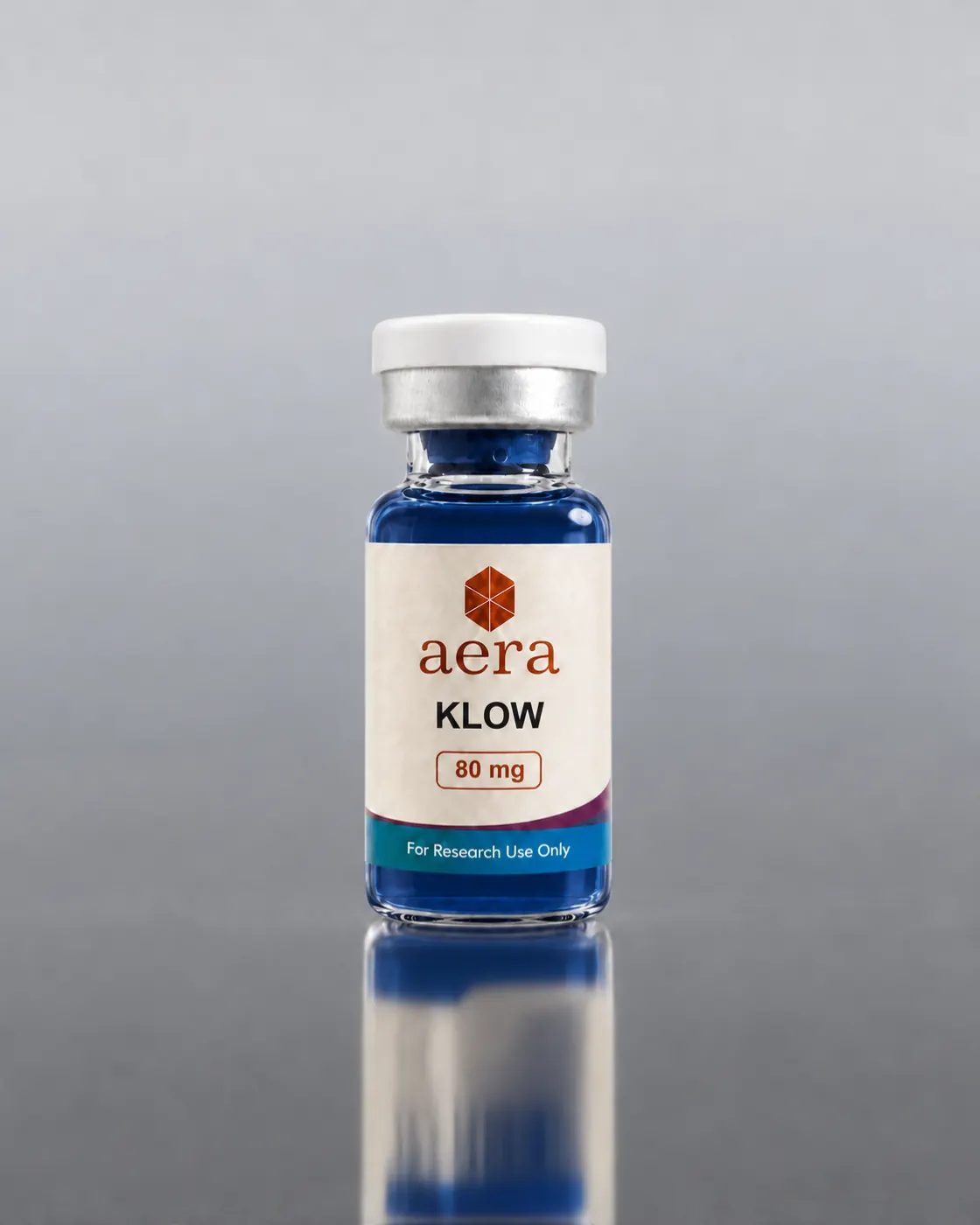 Klow Blend80mgFrom ฿3,390$102 USD
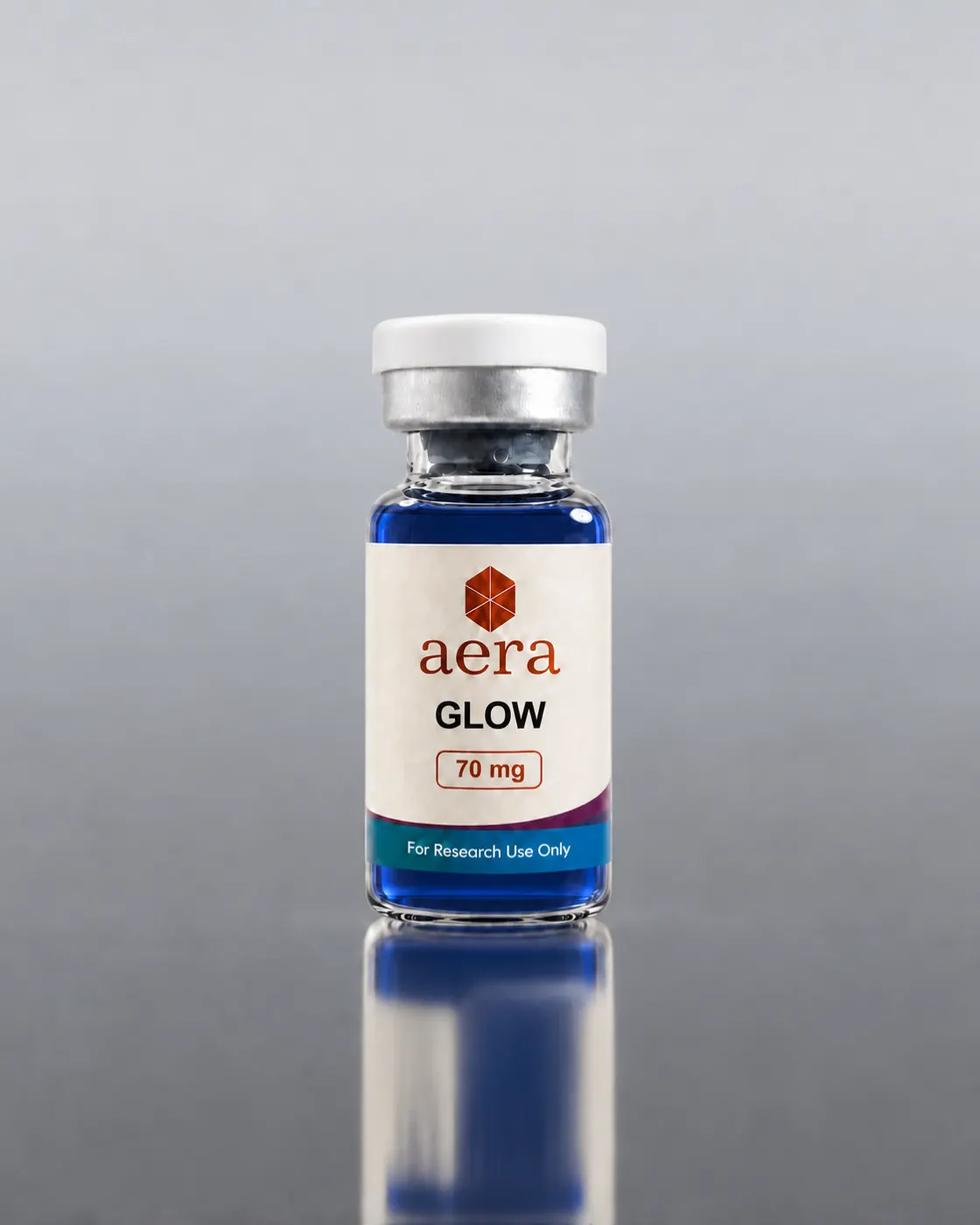 Glow Blend70mgFrom ฿2,390$72 USD
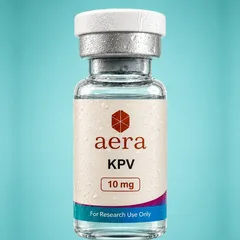
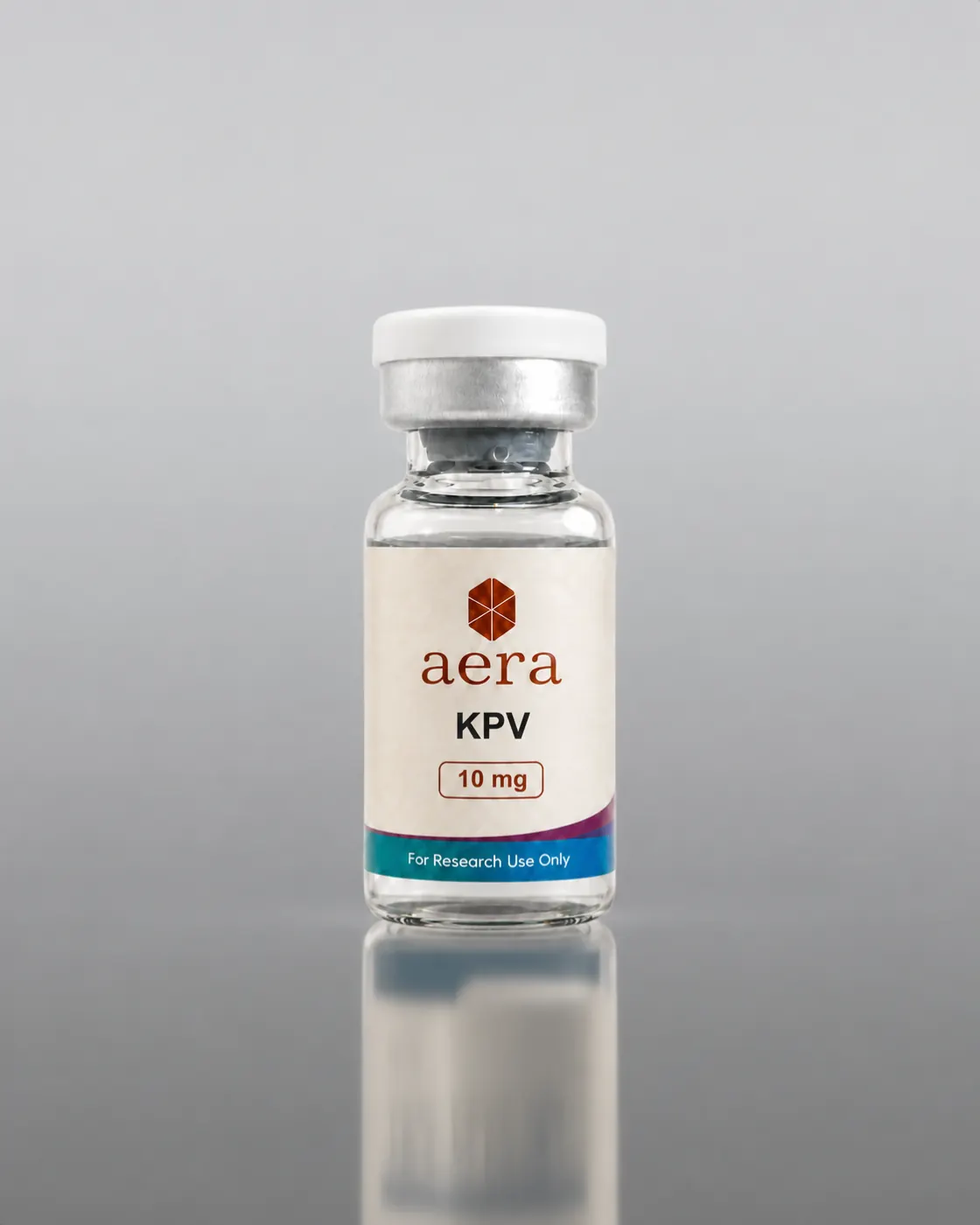 KPV10mgFrom ฿1,490$45 USD
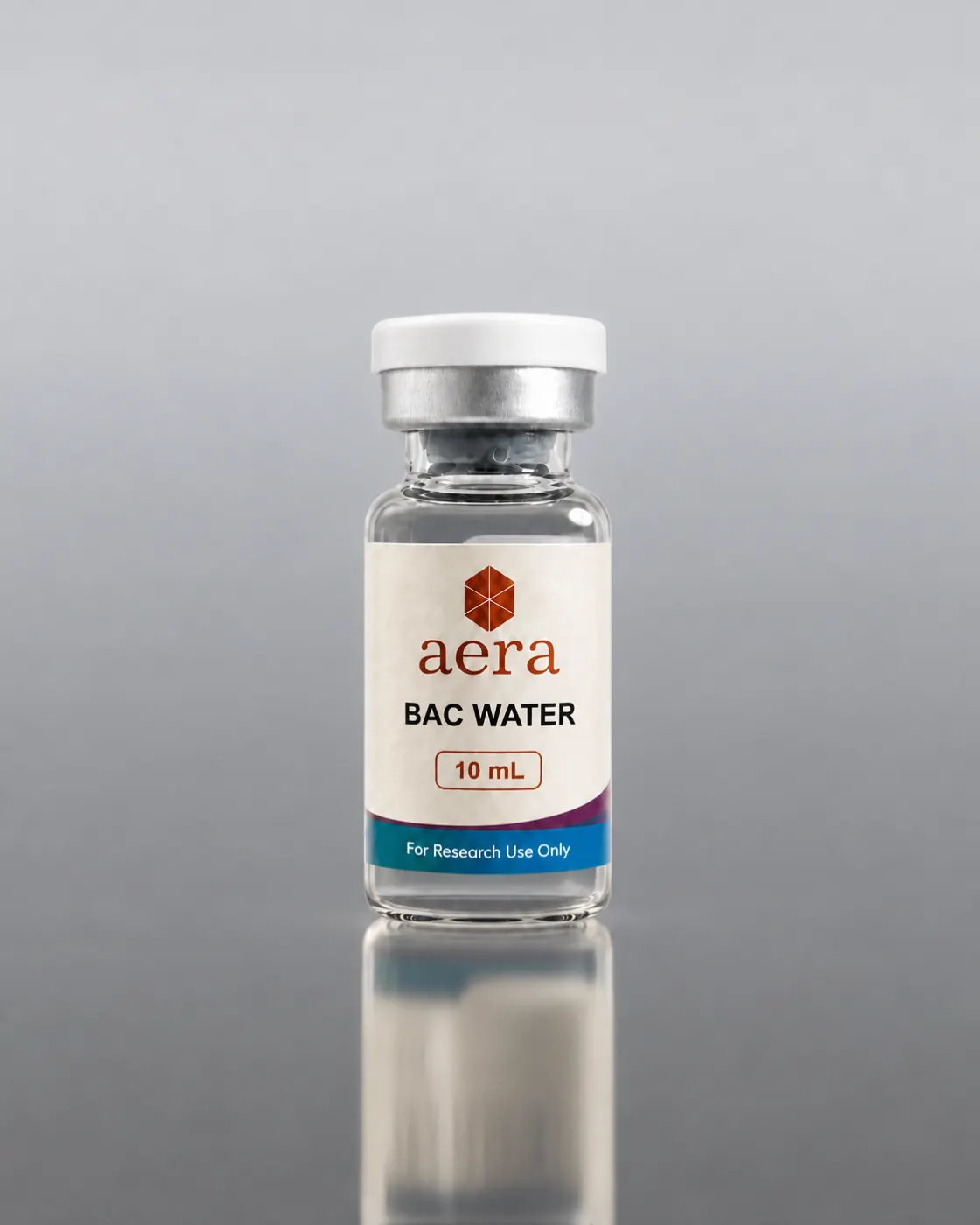 Bacteriostatic Water10mLFrom ฿300$9 USD
For research use only. Not for human or veterinary use. First Amino stocks Aera. Third-party tested.
References
Sources
- Dalmasso G, Charrier-Hisamuddin L, Nguyen HTT, et al. PepT1-mediated tripeptide KPV uptake reduces intestinal inflammation. Gastroenterology 2008;134(1):166-178. doi.org/10.1053/j.gastro.2007.10.026
- Pickart L, Margolina A. Regenerative and protective actions of the GHK-Cu peptide in the light of the new gene data. Int J Mol Sci 2018;19(7):1987. doi.org/10.3390/ijms19071987
- Goldstein AL, Hannappel E, Sosne G, Kleinman HK. Thymosin beta4: a multi-functional regenerative peptide. Basic properties and clinical applications. Expert Opin Biol Ther 2012;12(1):37-51. doi.org/10.1517/14712598.2012.634793
- Gwyer D, Wragg NM, Wilson SL. Gastric pentadecapeptide body protection compound BPC 157 and its role in accelerating musculoskeletal soft tissue healing. Cell Tissue Res 2019;377:153-159. doi.org/10.1007/s00441-019-03016-8
- World Anti-Doping Agency: the Prohibited List (S0 non-approved substances; S2 peptide hormones, growth factors, related substances and mimetics). wada-ama.org/en/prohibited-list
This guide is general information about research materials. It is not medical or legal advice.