
Orders from adults aged 20 and over.
Flat ฿60. Bangkok orders arrive next day.
Not for human or veterinary use.
Updated 9 November 2026
What is the Wolverine Stack?
Short answer: the Wolverine Stack is a research blend that puts two separate peptides, TB-500 and BPC-157, into one lyophilised vial in equal parts. Neither peptide is a registered medicine in Thailand, there is no published research on the combination itself, and both components are prohibited in sport by the World Anti-Doping Agency.
The nickname is marketing, borrowed from a comic-book character known for recovering from injury. In the First Amino catalogue the product is listed as Wolverine Stack. It exists because laboratories that study tissue-repair models often look at these two compounds side by side, and a single vial is simpler to source and log than two.
The two ingredients have nothing in common chemically. TB-500 is derived from thymosin beta-4, a 43-amino-acid protein present in most human cells. BPC-157 is a 15-amino-acid sequence taken from a larger protein first described in gastric juice. They come from different research groups, different decades and different hypotheses about how tissue responds to damage.
Recovery
The two components, one at a time
Because the blend has no research record of its own, the useful way to understand it is through each ingredient.
TB-500 (thymosin beta-4). Thymosin beta-4 binds G-actin, the building block of the internal scaffolding cells use to change shape and move. Published work has focused on cell migration, blood vessel growth and repair models in skin, cornea and heart. A frequently cited 2004 paper in Nature described cardiac cell survival and migration in mice after experimental injury. Our TB-500 guide covers this in more depth.
BPC-157. BPC-157, sometimes called body protection compound, has been studied mainly by one research group in Zagreb, Croatia, since the early 1990s. Its literature centres on rodent models of tendon, ligament, muscle and gut-lining injury, and on its interaction with blood vessel signalling. A 2011 study in the Journal of Applied Physiology reported that BPC-157 increased the outgrowth and migration of rat tendon cells in culture.
Recovery
How strong is the evidence?
It is worth being plain about this, because sellers often are not.
- Combination: no published study has tested TB-500 and BPC-157 together as a blend, in animals or in people. The rationale for pairing them is theoretical: they appear to act through different pathways.
- TB-500: most data are from cell and animal work. Small human trials have tested the full-length thymosin beta-4 protein as eye drops, which is a different form from the research peptide.
- BPC-157: almost entirely rodent and cell studies, largely from a single group. Controlled human trials have not been published.
Animal findings frequently fail to carry over to people, and a combination of two unproven compounds is not more proven than either one. That is the honest evidence level for this product: preclinical research material.
Recovery
Legal and sport status
Neither TB-500 nor BPC-157 is registered as a medicine with the Thai FDA, so the blend cannot be sold or marketed as a medicine in Thailand. First Amino sells it as research material only, to adults aged 20 and over who accept our research-use terms and disclaimer. This is general information, not legal advice.
For athletes the answer is simple. The WADA prohibited list names thymosin beta-4 and its derivatives under section S2, and BPC-157 under S0 (non-approved substances). Both are banned at all times. A vial containing both carries two separate anti-doping problems, so anyone subject to testing should regard the product as off limits.
In the United States, the FDA has also listed BPC-157 among bulk substances that raise concerns for compounding pharmacies, citing limited human data.
Recovery
Wolverine Stack vs the single peptides and the Glow blend
The blend sits between the two single peptides and the larger copper-peptide blends in the catalogue.
| Wolverine Stack | TB-500 alone | BPC-157 alone | Glow | |
|---|---|---|---|---|
| Contents | TB-500 and BPC-157, equal parts | Thymosin beta-4 based peptide | 15-amino-acid gastric protein fragment | Mostly GHK-Cu, plus TB-500 and BPC-157 |
| Research focus | Tissue repair models (each component) | Cell migration, wound and cardiac models | Tendon, muscle and gut models | Skin and connective tissue models |
| Human data | None for the blend | Limited | Very limited | None for the blend |
| WADA | Prohibited | Prohibited (S2) | Prohibited (S0) | Prohibited (contains both) |
| First Amino | 10mg, from ฿1,490 | 10mg, from ฿2,040 | 10mg, from ฿2,140 | 70mg, from ฿2,390 |
A single-compound vial gives a lab cleaner variables; a blend trades that for convenience. Which suits a study design is a decision for the researcher.
Recovery
How it is supplied and stored
Wolverine Stack comes as a white lyophilised (freeze-dried) powder in a sealed, labelled glass vial, 10mg. Freeze-drying keeps peptides stable for far longer than a liquid, but they still break down with heat, light and moisture.
- Store sealed vials in a refrigerator at 2 to 8 °C, out of light. Labs often freeze them for longer storage.
- Allow a cold vial to come to room temperature before opening so condensation does not form inside.
- Laboratories reconstitute lyophilised peptides with a sterile solvent such as bacteriostatic water, then keep the solution cold and use it within a short window.
With two peptides in one vial, a reconstituted blend is only as stable as its less stable component, so labs tend to be conservative about how long they keep it.
Recovery
What to check before buying a blend
Blends are harder to verify than single peptides, so the checks matter more.
- Testing that names the product. A report from an independent lab, matching the product name, that you can look up. Our third-party test reports are published on the lab results page.
- Stated ratio. The seller should say how the two peptides are split. Ours is equal parts.
- Prices in baht on the page. Not "DM for price".
- People who answer. Questions before and after ordering should get a real reply.
- No promises. A seller claiming the blend does something in people is going beyond the evidence.
Recovery
Buying the Wolverine Stack from First Amino
Wolverine Stack is on the Wolverine Stack product page, from ฿1,490. Prices are in Thai baht and delivery is a flat ฿60 anywhere in Thailand. Bangkok orders arrive next day, with fast shipping across Thailand. Pay by bank transfer at checkout, upload the slip, and our team confirms the order before it is packed.
First Amino stocks Aera, and every vial is third-party tested; reports are on the lab results page. Questions go to real people through the contact page, and they reply fast. The wider range is under all products.
Questions
Wolverine Stack: common questions
What is in the Wolverine Stack?
It is a lyophilised research blend of TB-500 and BPC-157 in equal parts, supplied in one vial. First Amino lists it as Wolverine Stack.
Has the TB-500 and BPC-157 combination been studied?
Not as a combination. Each peptide has its own body of mostly cell and animal research, but no published study has tested the blend.
Is the Wolverine Stack banned in sport?
Yes. WADA prohibits thymosin beta-4 derivatives under S2 and BPC-157 under S0, so the blend is banned in and out of competition.
Is the Wolverine Stack legal to buy in Thailand?
Neither ingredient is a registered medicine in Thailand. First Amino sells the blend for laboratory research only, to adults aged 20 and over under its research-use terms.
How much is the Wolverine Stack in Thailand?
First Amino lists the Wolverine Stack from ฿1,490, in 10mg. Delivery is a flat ฿60 and Bangkok orders arrive next day.
First Amino
In the catalogue
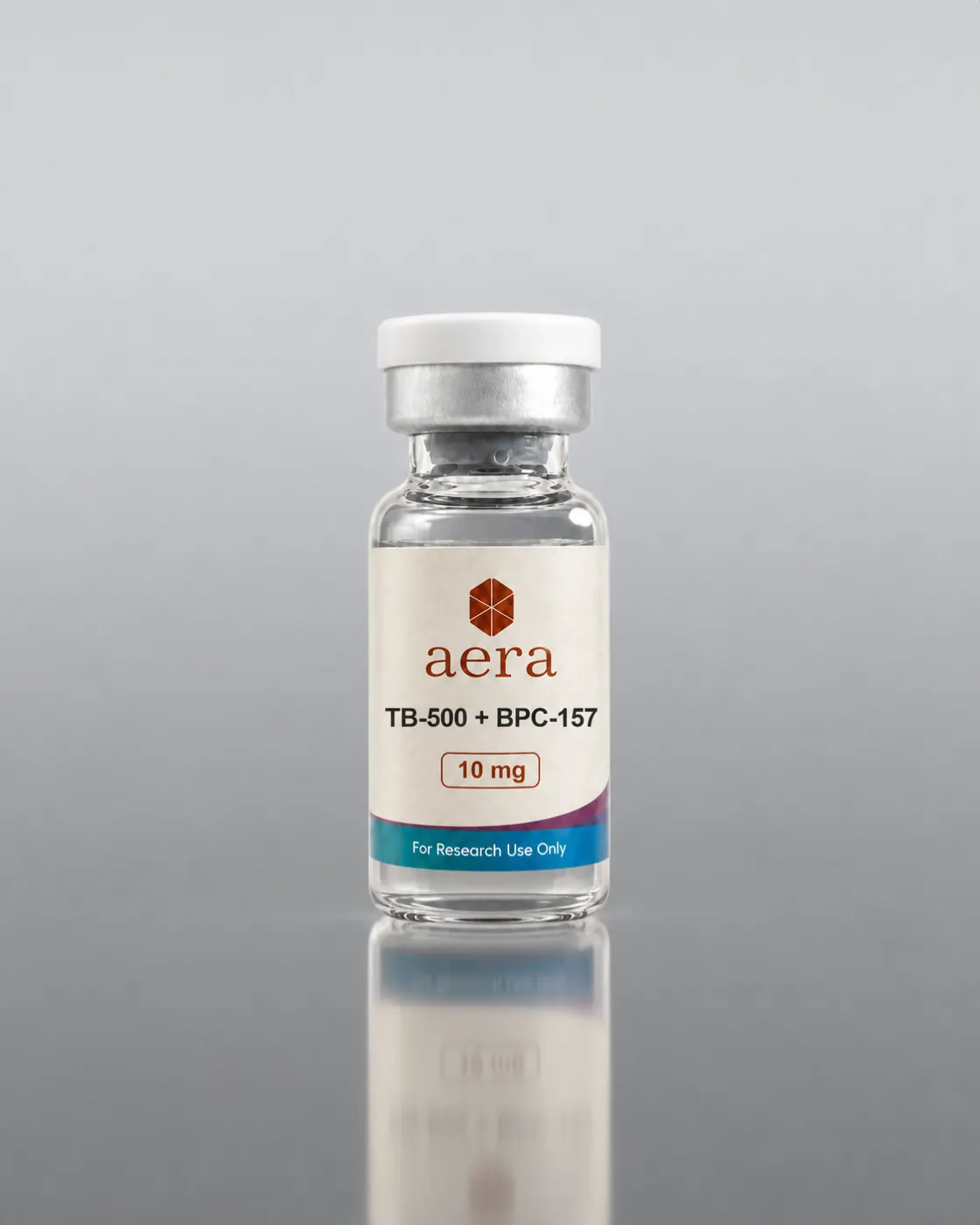 Wolverine Stack10mgFrom ฿1,490$45 USD
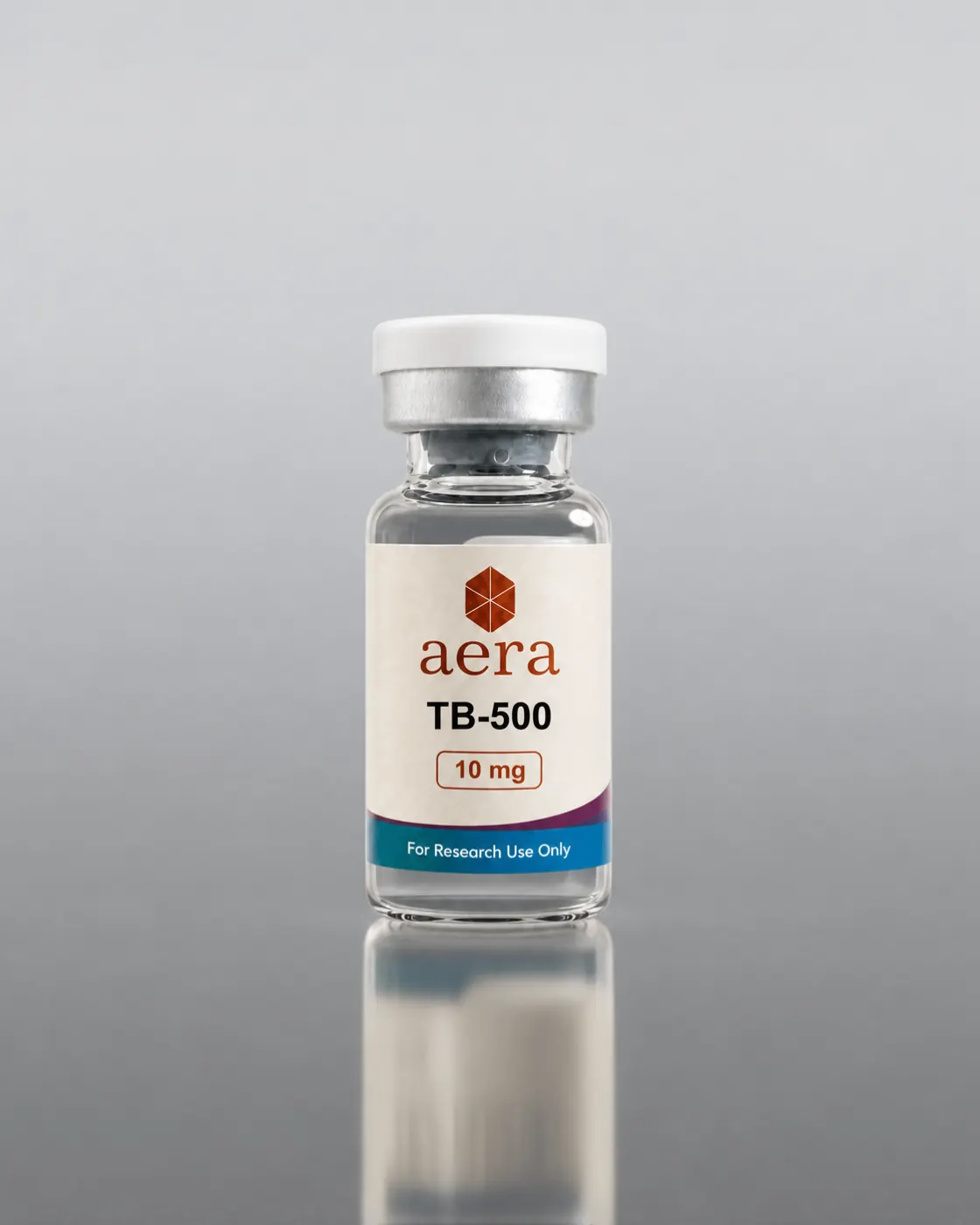 TB-50010mgFrom ฿2,040$61 USD
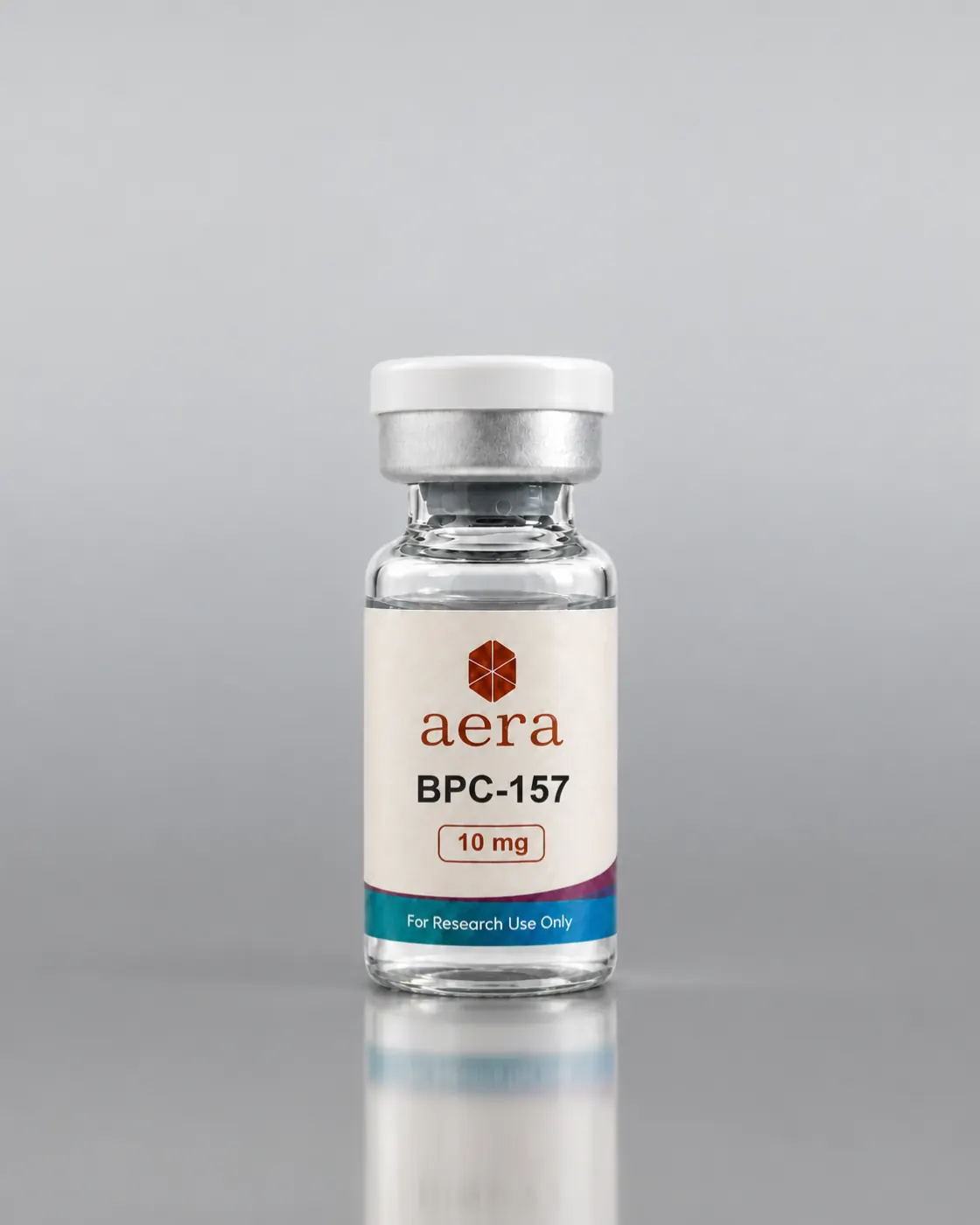 BPC-15710mgFrom ฿2,140$64 USD
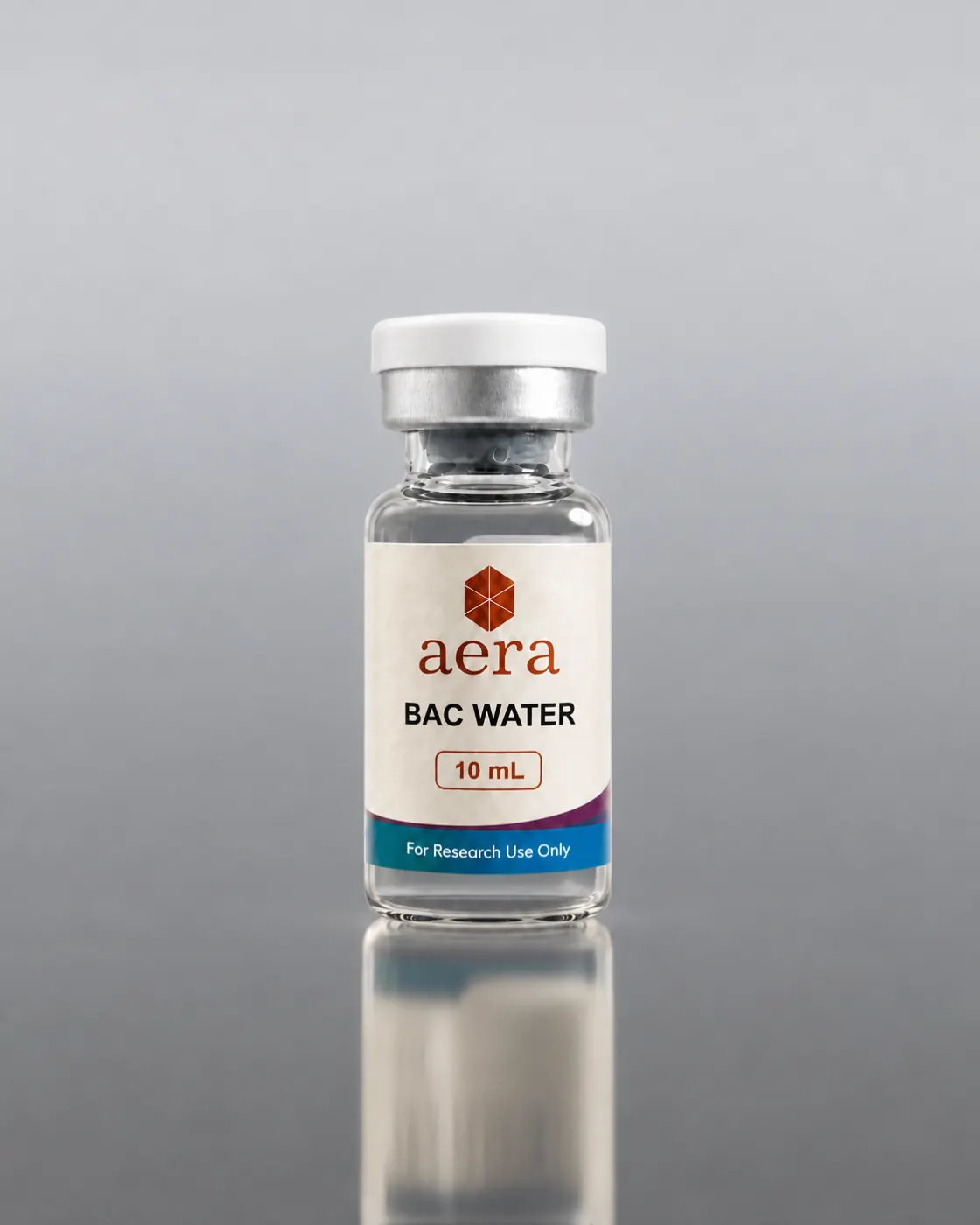 Bacteriostatic Water10mLFrom ฿300$9 USD
For research use only. Not for human or veterinary use. First Amino stocks Aera. Third-party tested.
References
Sources
- Goldstein AL, Hannappel E, Sosne G, Kleinman HK. Thymosin beta4: a multi-functional regenerative peptide. Basic properties and clinical applications. Expert Opin Biol Ther 2012;12(1):37-51. doi.org/10.1517/14712598.2012.634793
- Chang CH, Tsai WC, Lin MS, et al. The promoting effect of pentadecapeptide BPC 157 on tendon healing involves tendon outgrowth, cell survival, and cell migration. J Appl Physiol 2011;110(3):774-780. pubmed.ncbi.nlm.nih.gov/21030672
- Seiwerth S, Rucman R, Turkovic B, et al. BPC 157 and standard angiogenic growth factors. Gastrointestinal tract healing, lessons from tendon, ligament, muscle and bone healing. Curr Pharm Des 2018;24(18):1972-1989. doi.org/10.2174/1381612824666180712110447
- World Anti-Doping Agency: the Prohibited List (S0 non-approved substances; S2 peptide hormones, growth factors, related substances and mimetics). wada-ama.org/en/prohibited-list
- US FDA: Certain bulk drug substances for use in compounding that may present significant safety risks (includes BPC-157). fda.gov/drugs/human-drug-compounding/certain-bulk-drug-substances-use-compounding-may-present-significant-safety-risks
This guide is general information about research materials. It is not medical or legal advice.