
Orders from adults aged 20 and over.
Flat ฿60. Bangkok orders arrive next day.
Not for human or veterinary use.
Updated 9 November 2026
What is DSIP?
Short answer: DSIP, delta sleep-inducing peptide, is a nine-amino-acid neuropeptide first isolated in 1977 by Swiss researchers working with rabbits. It was named for its apparent link to deep, slow-wave sleep, but later research produced mixed results and its natural role is still not settled. It is not a registered medicine in Thailand and is supplied as lyophilised powder for research.
The sequence is Trp-Ala-Gly-Gly-Asp-Ala-Ser-Gly-Glu. Guido Schoenenberger and Marcel Monnier in Basel induced sleep in rabbits by electrically stimulating the thalamus, collected blood draining from the brain, and isolated a peptide fraction that, when transferred to other rabbits, increased delta waves on the EEG. They published the characterisation in the Proceedings of the National Academy of Sciences in 1977.
DSIP-like material has since been detected in the brain, pituitary and blood of several species, including humans. Unusually for a neuropeptide, however, no gene encoding it and no dedicated receptor have ever been identified, which is a large part of why its status is still debated.
Focus & Sleep
What has DSIP been studied for?
DSIP attracted a lot of attention in the late 1970s and 1980s, then interest faded as results proved hard to repeat. The main research areas were:
- Sleep EEG. Early rabbit, rat and cat studies reported more slow-wave activity after DSIP was given, but other labs saw small or no effects, and the results depended heavily on timing and conditions.
- Small human studies. A handful of trials in the 1980s looked at people with insomnia, with inconsistent outcomes. A 2001 report measured an EEG marker of attention, the P300 wave, in people given DSIP.
- Stress and hormones. Animal work explored links with the stress-hormone axis, body temperature and pain signalling.
- Cell stress. Later Russian studies examined effects on stress proteins and oxidative markers in cells and animal tissue.
A 2006 review in the Journal of Neurochemistry called DSIP "a still unresolved riddle": decades on, nobody has shown clearly where it is made, what it binds to, or whether it has a defined role in sleep. The honest evidence level is early animal work and a few small, older human studies with mixed results.
Focus & Sleep
Is DSIP legal in Thailand?
DSIP is not registered with the Thai FDA, and it is not an approved medicine in the United States or the European Union. It cannot lawfully be sold or promoted in Thailand as a sleep medicine or any other medicine. First Amino sells it only as research material to adults aged 20 and over who accept our research-use terms and disclaimer. This is general information, not legal advice.
DSIP is not named individually on the World Anti-Doping Agency's prohibited list. Section S0, however, covers pharmacological substances that have no current approval for human use from any health authority, which is the category DSIP appears to fall into. Athletes subject to anti-doping rules should take that as a reason to stay clear and check with their anti-doping organisation.
Focus & Sleep
DSIP, Selank and epithalon compared
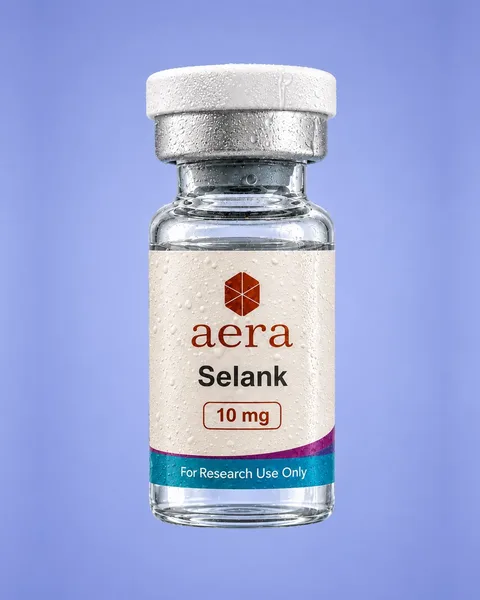
DSIP sits in the focus and sleep range. It is sometimes researched next to Selank, another short neuropeptide, and epithalon, which has been studied for its links to the pineal gland and melatonin rhythm.
| DSIP | Selank | Epithalon | |
|---|---|---|---|
| What it is | Nine-amino-acid neuropeptide isolated in 1977 | Synthetic tuftsin analogue | Synthetic pineal tetrapeptide |
| Main research area | Slow-wave sleep EEG, stress responses | Anxiety models, GABA genes | Telomerase, melatonin rhythm, ageing |
| Where the research comes from | Switzerland originally, later many labs | Mostly Moscow | Mostly St Petersburg |
| Human data | Small, older, inconsistent | Small Russian clinical trials | Small, mostly of a related extract |
| First Amino | 5mg, from ฿890 | 10mg, from ฿1,890 | 50mg, from ฿3,690 |
See our Selank guide and epithalon guide for the background on each.
Focus & Sleep
How research DSIP is supplied and stored
First Amino supplies DSIP as white lyophilised (freeze-dried) powder in a sealed, labelled glass vial, 5mg. DSIP is known to be broken down quickly by enzymes once dissolved, so storage of both the powder and any solution matters.
- Keep sealed vials at 2 to 8 °C in a refrigerator, protected from light. Labs holding it for months normally freeze it.
- Bring a cold vial to room temperature before opening to avoid condensation inside.
- Laboratories reconstitute it with a sterile solvent such as bacteriostatic water and keep the solution cold for a short time only.
Thailand's heat is the main enemy here. Be home for the delivery and put the vial straight in the fridge.
Focus & Sleep
How to judge a DSIP supplier
DSIP is a niche peptide, and the listing is often the only information you get. Look for:
- A real lab report. Independent third-party testing that names the peptide and that the testing lab will confirm. Our third-party test reports are published on the lab results page.
- The full sequence. Analogues of DSIP exist, so the seller should state the nine-residue sequence or at least that it is native DSIP.
- Stated size and baht price. Both should be visible without having to message anyone.
- Responsive people. Quick, human replies before and after payment.
- Honesty about the science. A seller describing DSIP as a proven sleep aid is ignoring forty years of mixed results.
Focus & Sleep
Buying DSIP from First Amino
DSIP is on the DSIP product page, from ฿890. Prices are in Thai baht with a flat ฿60 delivery fee anywhere in Thailand. Bangkok orders arrive next day and we offer fast shipping across Thailand. Pay by bank transfer, upload the slip at checkout, and our team confirms the order before it is packed.
First Amino stocks Aera, and every product is third-party tested; see the lab results page. Questions go to real people who reply fast via the contact page. The rest of the range is under all products.
Questions
DSIP: common questions
What is DSIP?
DSIP, delta sleep-inducing peptide, is a nine-amino-acid neuropeptide (Trp-Ala-Gly-Gly-Asp-Ala-Ser-Gly-Glu) isolated in 1977 from rabbits in which sleep had been induced. It is supplied as lyophilised powder for laboratory research.
Does research show DSIP causes sleep?
Not clearly. Early animal studies reported more slow-wave sleep, but later studies were inconsistent, and a 2006 review described DSIP as a still unresolved riddle.
Is DSIP a registered medicine in Thailand?
No. DSIP is not registered with the Thai FDA or approved by the US FDA. First Amino sells it for laboratory research only, to adults aged 20 and over.
Is DSIP banned in sport?
It is not named on the WADA list, but WADA's S0 section covers substances with no approval for human use anywhere. Athletes should check with their anti-doping organisation.
How much does DSIP cost in Thailand at First Amino?
First Amino lists DSIP from ฿890, in 5mg. Delivery is a flat ฿60 and Bangkok orders arrive next day.
First Amino
In the catalogue
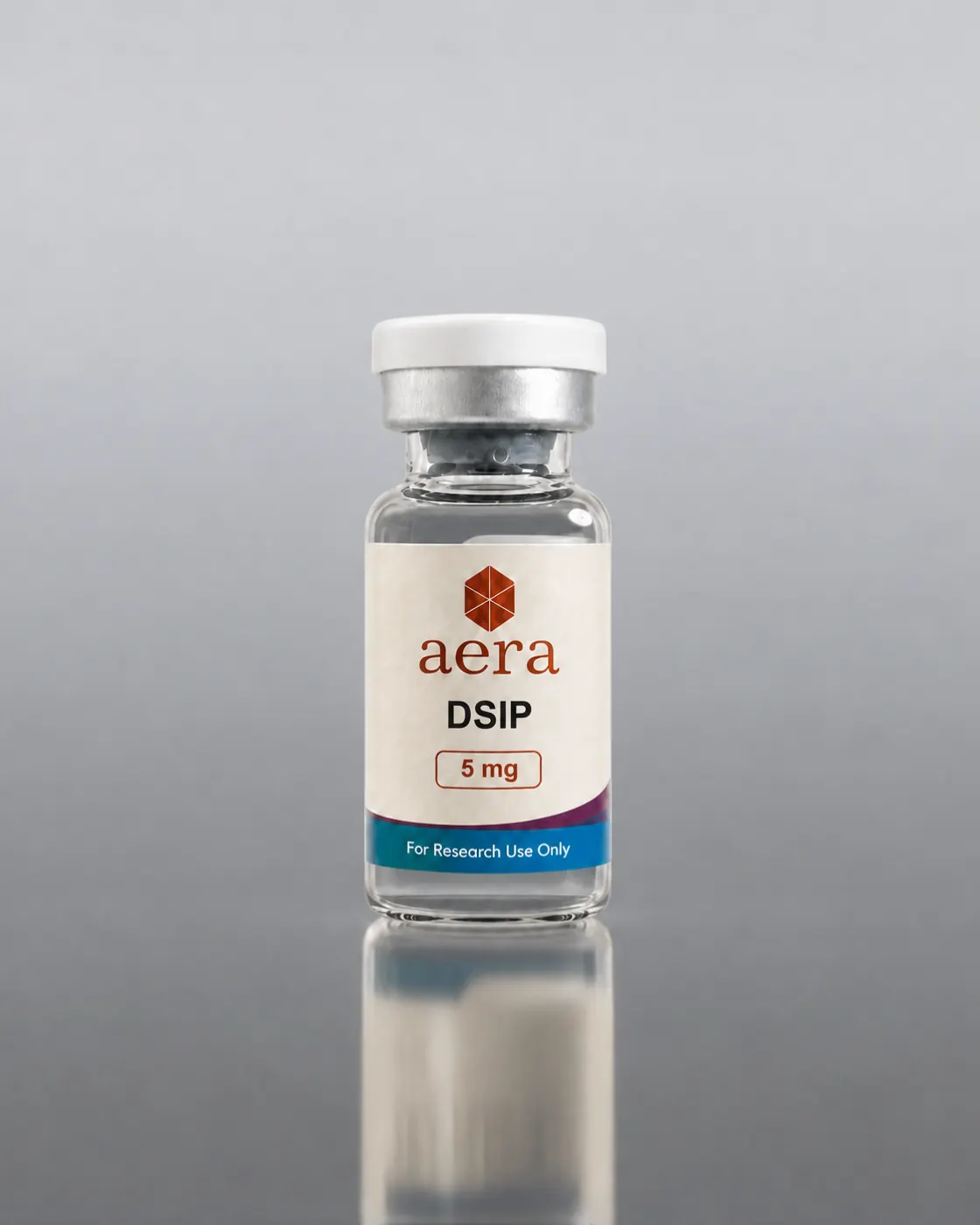 DSIP5mgFrom ฿890$27 USD
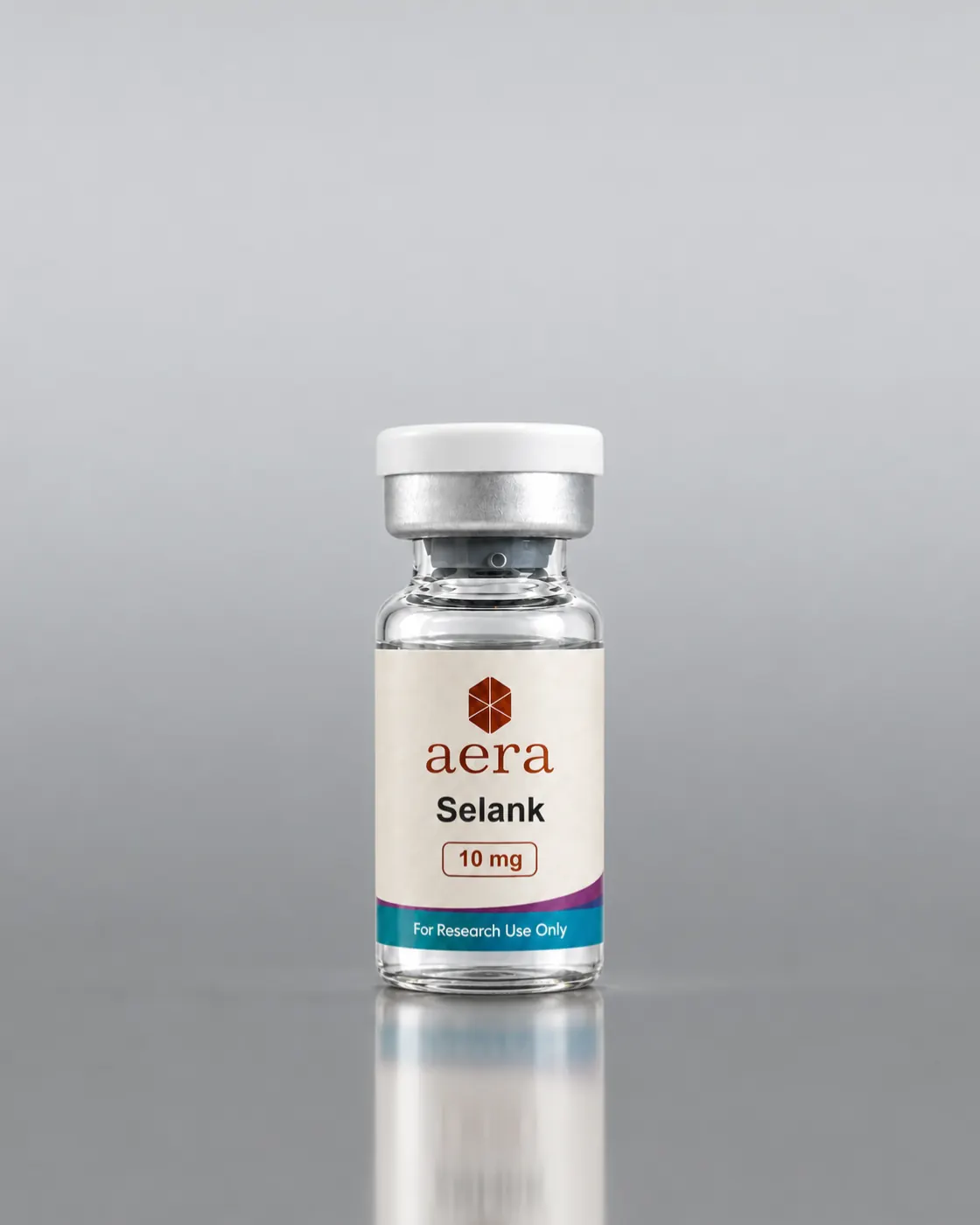 Selank10mgFrom ฿1,890$57 USD
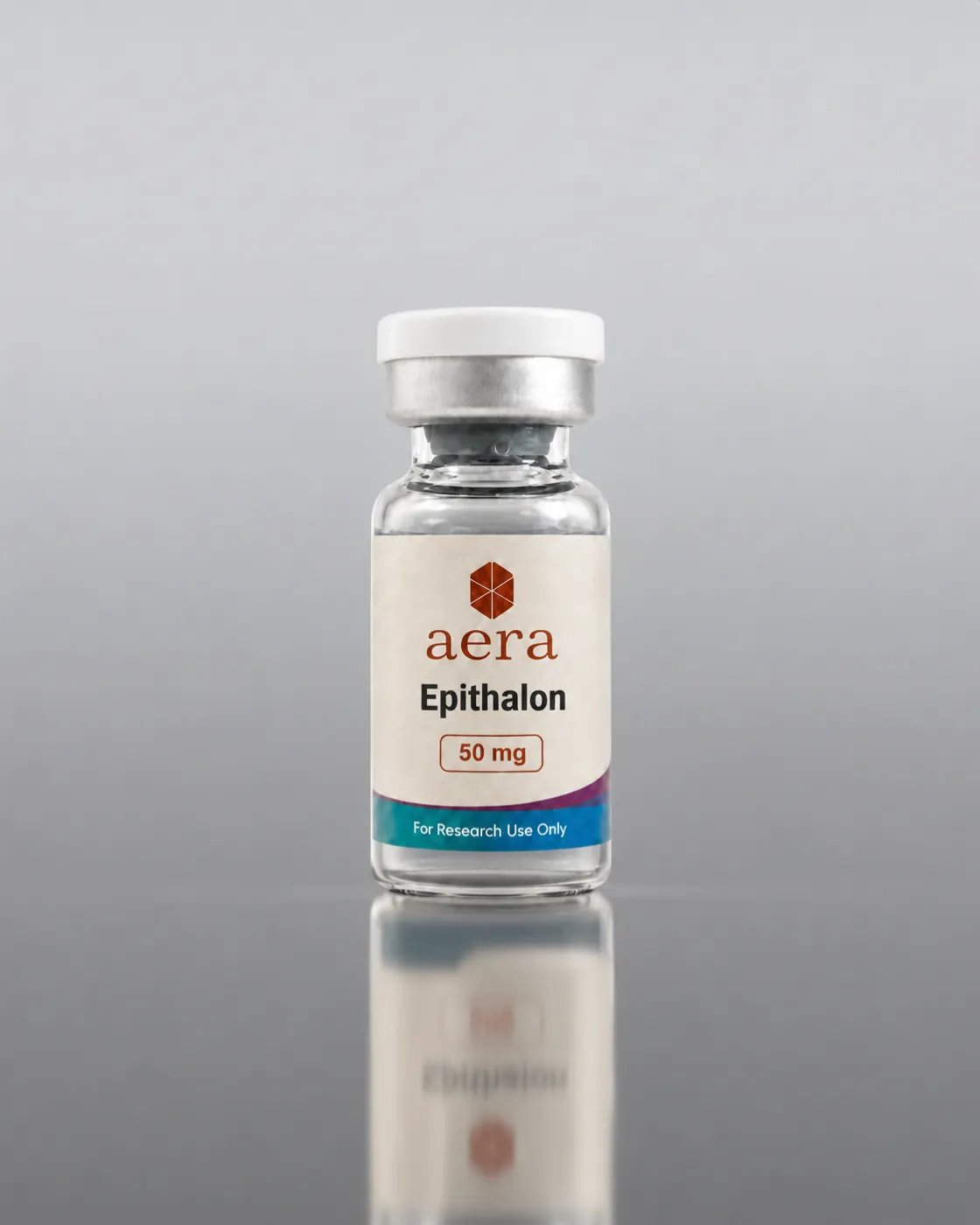 Epithalon50mgFrom ฿3,690$111 USD
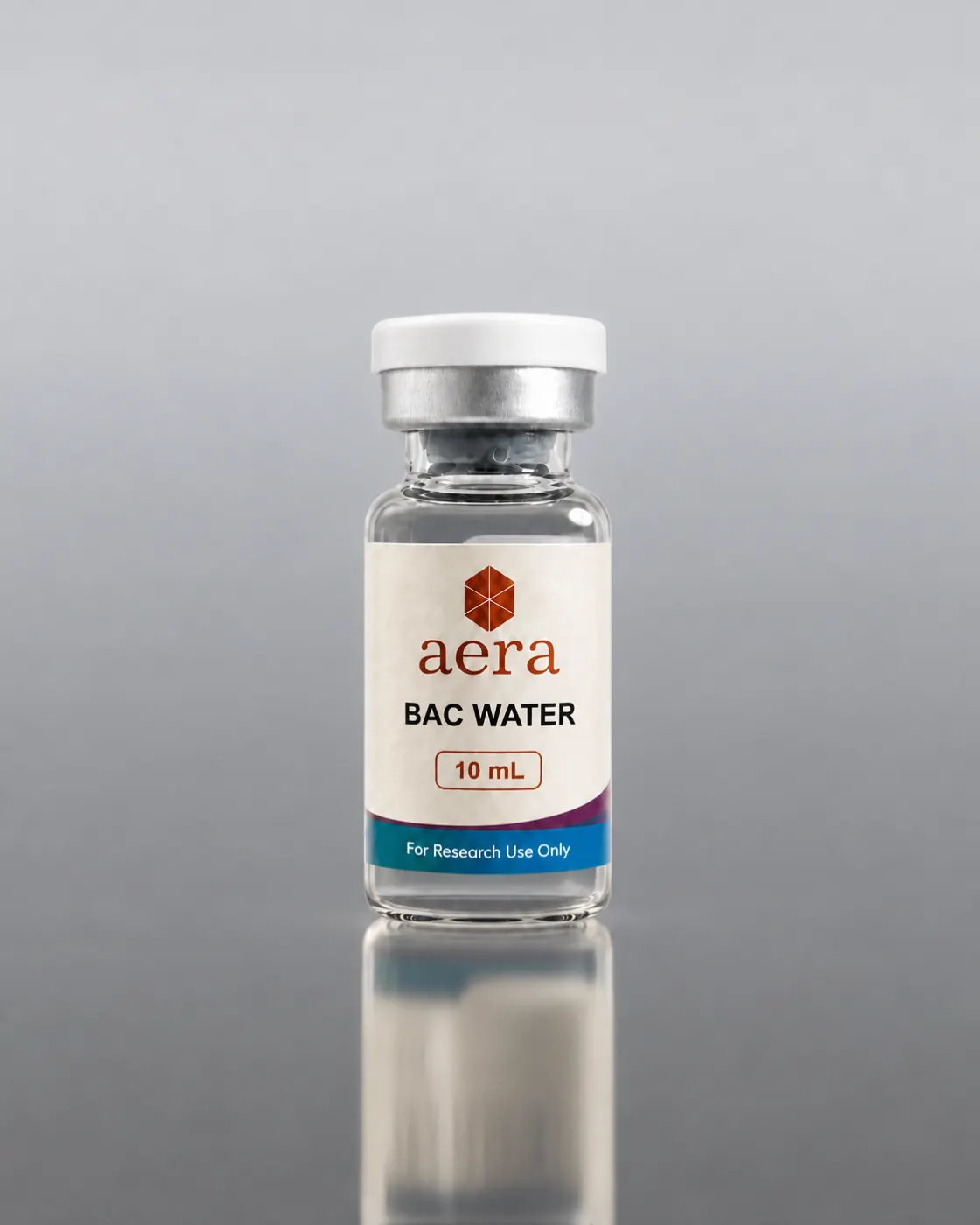 Bacteriostatic Water10mLFrom ฿300$9 USD
For research use only. Not for human or veterinary use. First Amino stocks Aera. Third-party tested.
References
Sources
- Schoenenberger GA, Monnier M. Characterization of a delta-electroencephalogram (-sleep)-inducing peptide. Proc Natl Acad Sci USA 1977;74(3):1282-1286. doi.org/10.1073/pnas.74.3.1282
- Kovalzon VM, Strekalova TV. Delta sleep-inducing peptide (DSIP): a still unresolved riddle. J Neurochem 2006;97(2):303-309. pubmed.ncbi.nlm.nih.gov/16539679
- Graf MV, Kastin AJ. Delta-sleep-inducing peptide (DSIP): a review. Neurosci Biobehav Rev 1984;8(1):83-93. pubmed.ncbi.nlm.nih.gov/6145137
- Hruz P, et al. Intranasal administration of delta sleep-inducing peptide increases P300. J Clin Psychopharmacol 2001;21(6):626-628. doi.org/10.1097/00004714-200112000-00021
- World Anti-Doping Agency: the Prohibited List (S0, non-approved substances). wada-ama.org/en/prohibited-list
This guide is general information about research materials. It is not medical or legal advice.